
Welcome Josh Robinson our Events and Administration Lead
This week, we are pleased to welcome Josh Robinson (Ngāti Ranginui, Ngāti Apakura, Ngāti Tūwharetoa) to the team as our Events and Administration Lead. He is already busy at work helping us to host more events all across the motu.
We asked him a few questions to introduce himself and his mahi. Have a read!
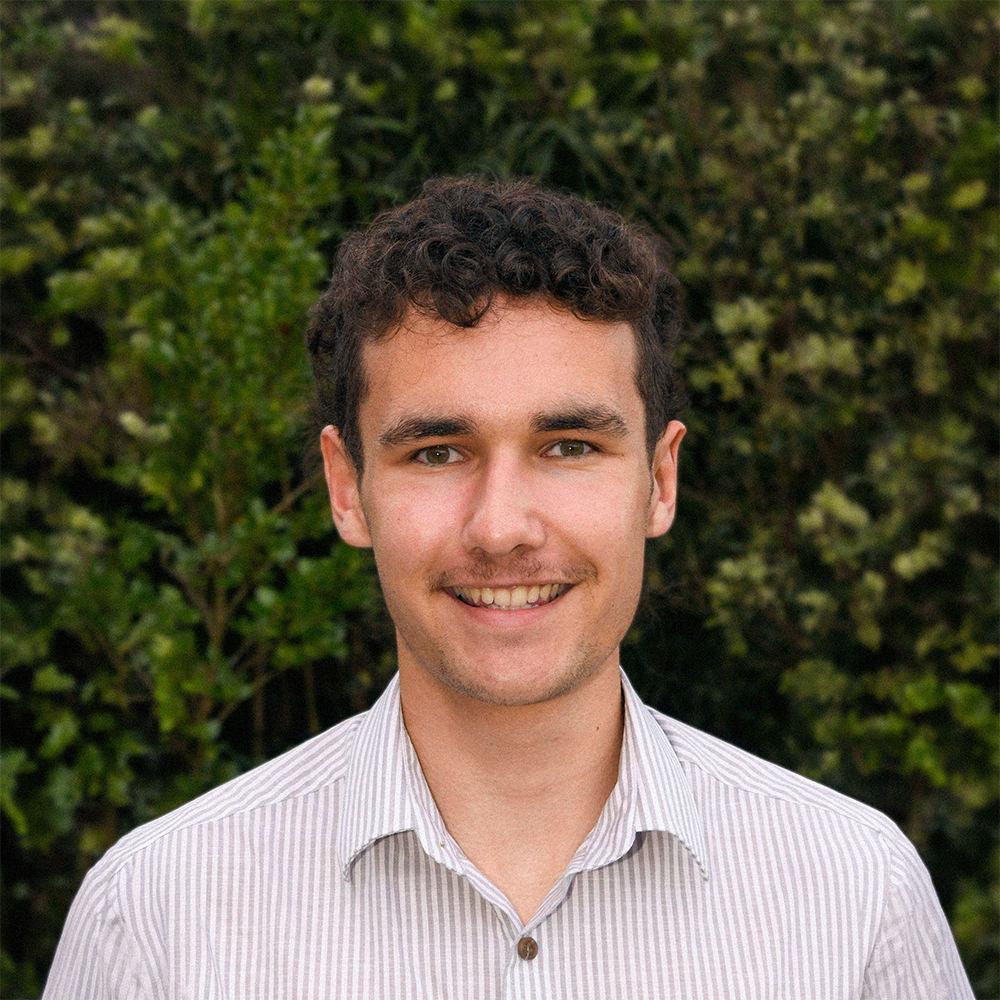
Kia ora Josh, you are a student organiser who has campaigned for a range of economic policies. How did you come to the Wellbeing Economy Alliance Aotearoa?
My interest in public policy and economics began with my lived experience of child poverty. Growing up in the small West Coast town of Karamea, I saw firsthand how our economic system was failing people in my community. From a young age, I decided I wanted to spend my adult life helping to change that and to be part of the solution.
That commitment has taken me in many directions. In high school, I was fortunate to receive a scholarship to travel through Southeast Asia, where I volunteered with several NGOs. In Cambodia, I witnessed the devastating impacts of political decisions that had entrenched poverty and left communities increasingly vulnerable to climate change. I realised that the economic ideas and incentives contributing to hardship in Aotearoa were not unique, and were playing out across the world.
I'm now in my fourth year at Te Herenga Waka—Victoria University of Wellington, studying towards a conjoint Bachelor of Laws and Bachelor of Arts, majoring in Public Policy and minoring in Political Science.
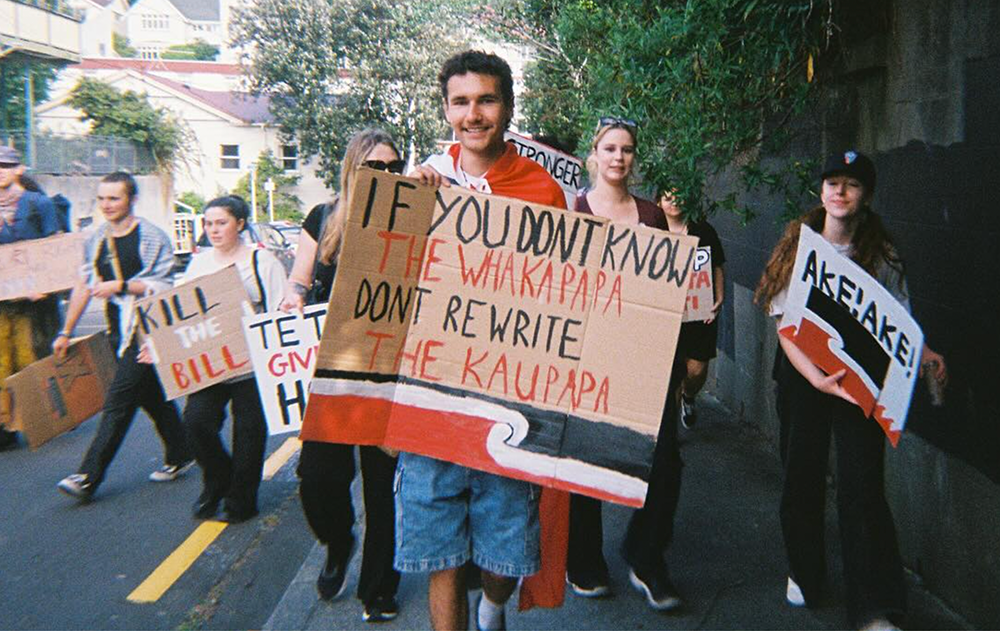
Since starting university, I've spent much of my time organising for economic change. I worked for two years at Te Aka Tauira—Victoria University of Wellington Students' Association, where I founded a campaign calling on the Government to extend the Winter Energy Payment to tertiary students. I have also campaigned for free public transport, adopting the living wage, and against public sector job cuts.
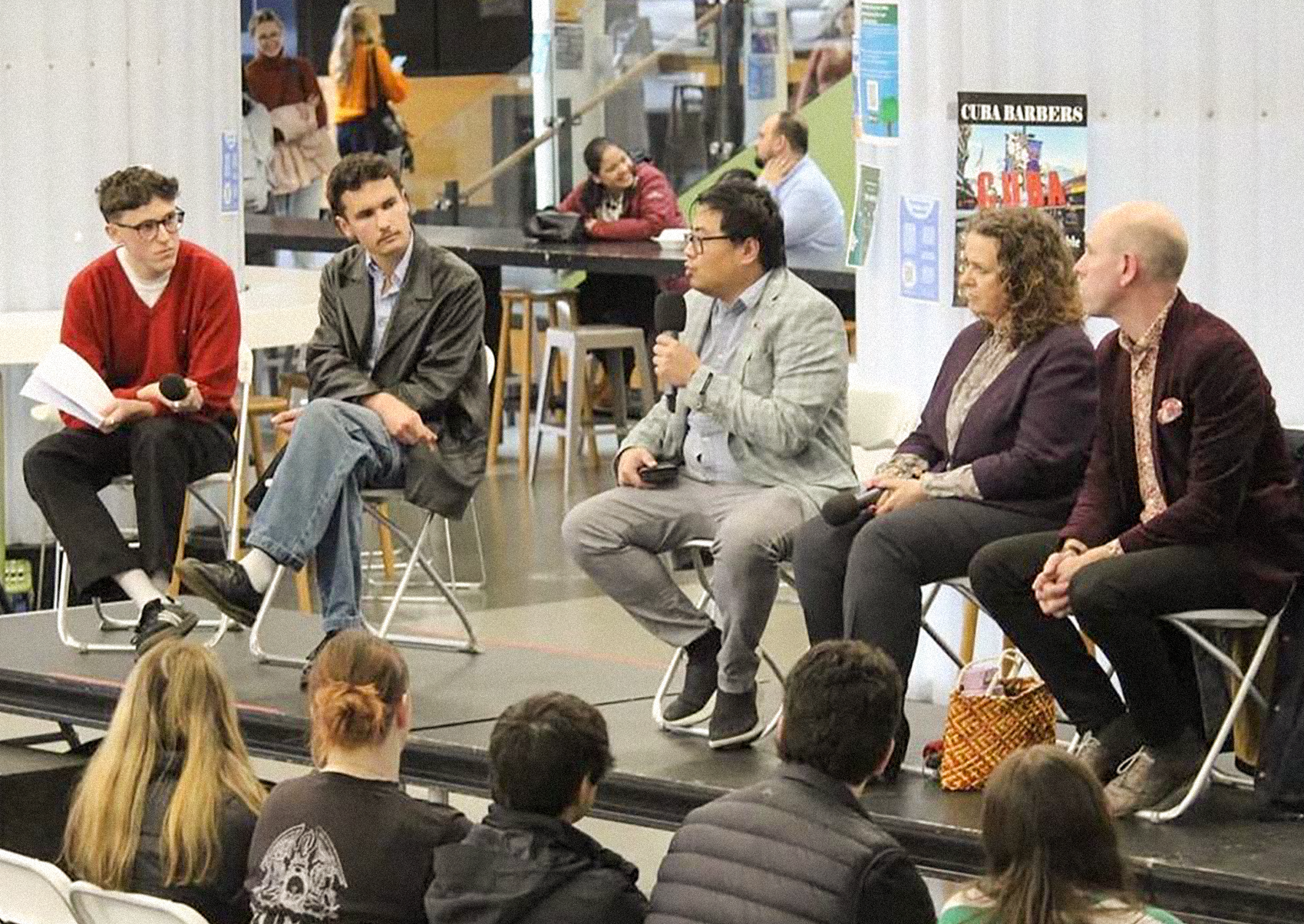
I'm also the co-founder and president of VUW Renters United!, a student organisation that supports renters through tenancy advocacy while campaigning for stronger protections and fairer housing policy.
Through all of this, I've come to believe that lasting economic change requires durable, cross-party commitment, powered by people and grounded in a vision that brings us together around the issues we all care about.
That's what drew me to the Wellbeing Economy Alliance Aotearoa. WEAll's commitment to building an economy that puts people and the planet first, while working constructively across sectors and political divides, strongly aligns with my own values. I'm honoured to be helping to strengthen our organising, connect people across the movement, and build the relationships needed to grow support for a wellbeing economy in Aotearoa.
Who inspires you?
I am fortunate to have several people in my life who inspire me.
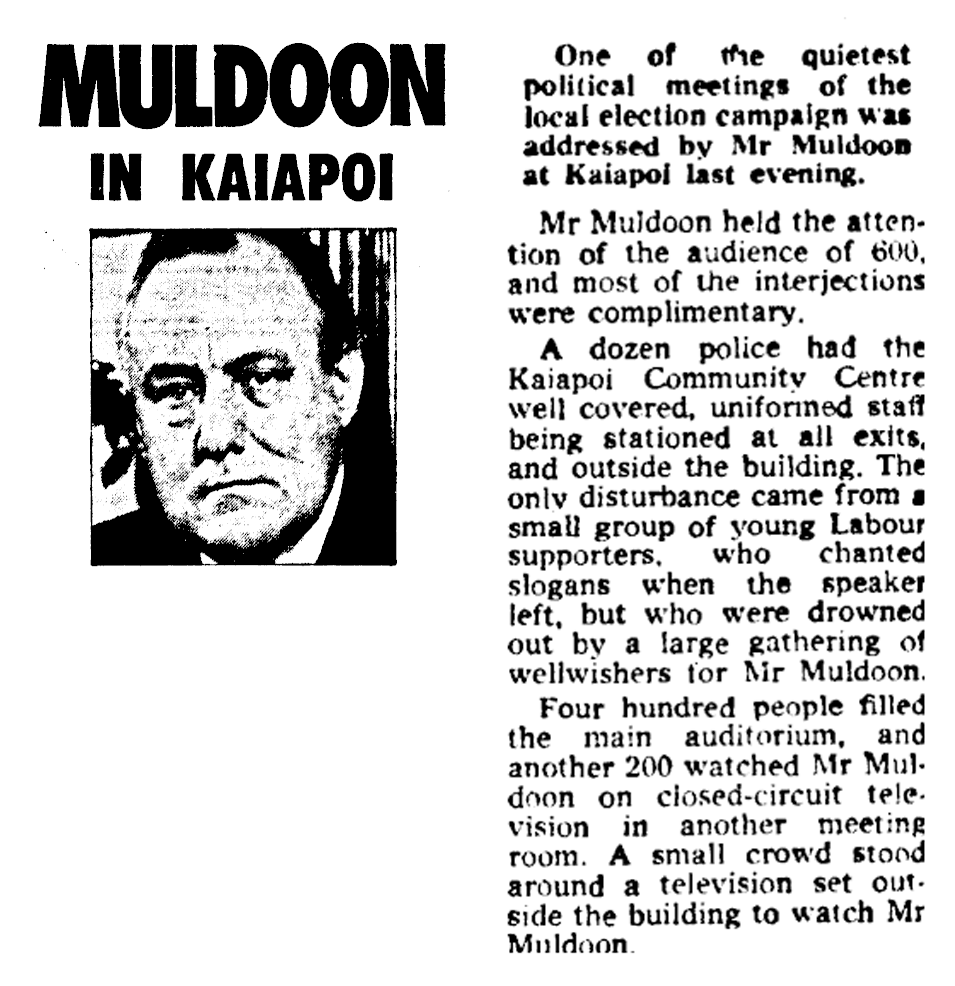
One is my grandad, John Cossar.
John was the Sub-Branch President of the New Zealand Meat Workers Union and worked at the Belfast Canterbury Frozen Meat Company. He was a major force in the union movement, helping to organise strikes and protests. In his youth, he made the newspaper for heckling then-Prime Minister Robert Muldoon during a local town hall meeting.
Another person who inspires me is my stepmum, Rachel. Rachel was born with severe arthrogryposis, a rare congenital condition that affects joint, bone, and muscle development. At birth, doctors didn't know how long she would live and believed she would likely never walk. Rachel had other plans. After defying the odds and learning to walk at the age of four, she is now 48 years old and brings her larger-than-life personality to everyone around her, especially her daughter and new grandson.
I'm incredibly lucky to have these people in my life. They have shown me the importance of standing up for what you believe in and refusing to be defined by other people's expectations.
How do you explain a Wellbeing Economy?
I've had plenty of practice trying to explain this to my parents since taking on this role—so here goes. A Wellbeing Economy is an economic model that puts the wellbeing of people and the planet at its core, rather than focusing primarily on measures like Gross Domestic Product (GDP). After all, economic prosperity depends on a healthy population and a liveable planet, so it makes sense to put those foundations first.

What are you reading at the moment?
I'm currently halfway through The Valley by Asher Emanuel, an exceptional book about the realities of the justice system in Aotearoa.
How do you like to relax?
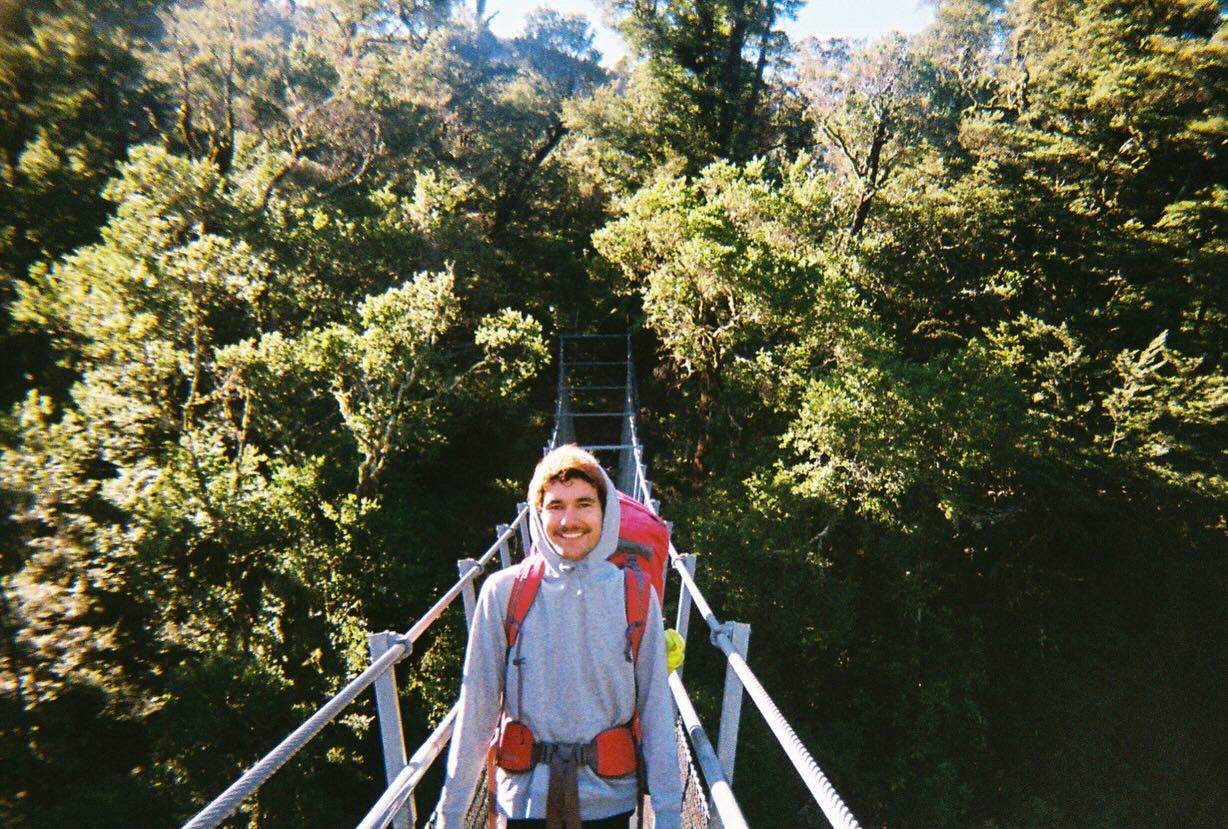
I try to go tramping whenever I get the chance. I'm an active member of the Victoria University of Wellington Tramping Club, and I love getting out into the Tararuas, Remutakas, and beyond with good people. It helps me switch off, reconnect with nature, and return to the hustle and bustle of Wellington feeling refreshed.