
Pānui September 2026
Currents of change in economic thinking
Kia ora,
It's been a busy month in our office as we prepare for the ANZSEE Conference: Regenerative Futures, Imagining Alternatives, Transforming Systems, which launches today. We are excited to be in the room with people focused on redesigning our economy to respect nature and show kaitiakitanga.
I recently published an op-ed in The Post, highlighting how after four decades of seeing the market as an inevitable, all-knowing force, we’re seeing the old economic rules cracking and parties across the political spectrum willing to intervene in markets.
A population plagued by a cost-of-living crisis has forced politicians to consider active intervention in the economy for the public good. Markets are human institutions, shaped by rules and political choices, and we’re finally seeing willingness to make choices that benefit people rather than solely creating profit.
But, at the same time, this is pushing some further to the extremes and making them use even more divisive, hateful techniques to blame different groups of people for the system failures. The rise of the far-right parties like One Nation across the ditch, Reform in England, and, more recently, AfD in Germany has us all feeling nervous, but they’re the last gasps of an old way of thinking.
Last week, Nicky Hager's new book gave us insight into how these techniques work here in Aotearoa. The Taxpayers Union and the wider ecosystem of hard-right organisations are leveraging race and disinformation to create division and conflict.
These currents remind us how different our theory of change is. A positive vision for a better future in Aotearoa, led by te tiriti, is what guides our mahi. Redesigning the economy uplifts our community and allows us all to thrive. This hope that guides us is not a passive feeling; it is a verb. We work tirelessly to organise and push for positive change.
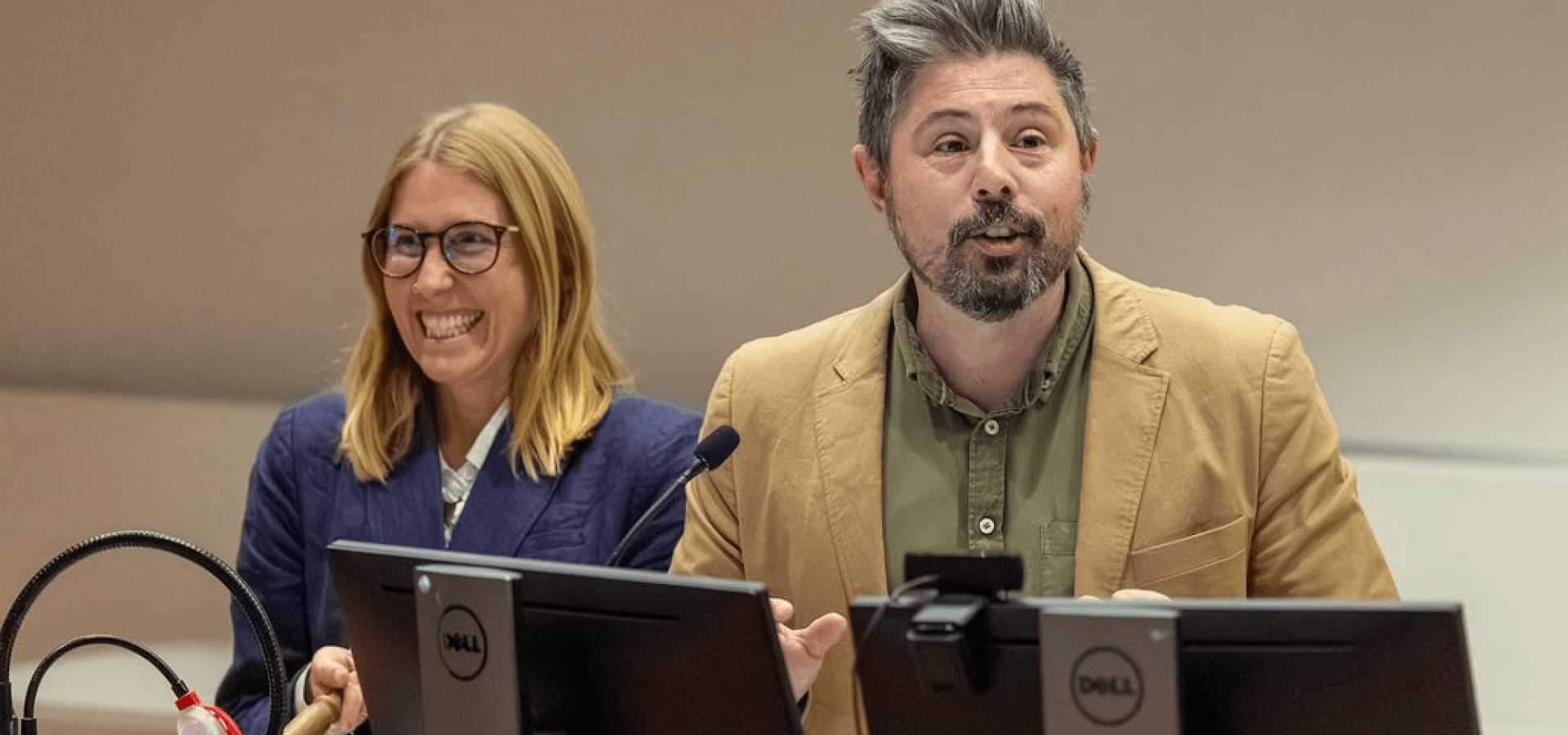
We are a proudly non-partisan organisation, and we encourage everyone in our network to join the push for enrolment before October 25th, specifically for our younger generation, who stand to lose the most if we don’t change Aotearoa’s economy to work for all of us.
This coming month we’re engaged in many events and discussions about how to shape our future, and we’ve detailed them below. We look forward to seeing you there!
Our generous members make all of this important mahi possible. If you aren’t already, please consider becoming a member today. We are a fast-growing movement, and it is an exciting time to join the groundswell.
Ngā manaakitanga,
Gareth and the WEAll Aotearoa team
Events this month
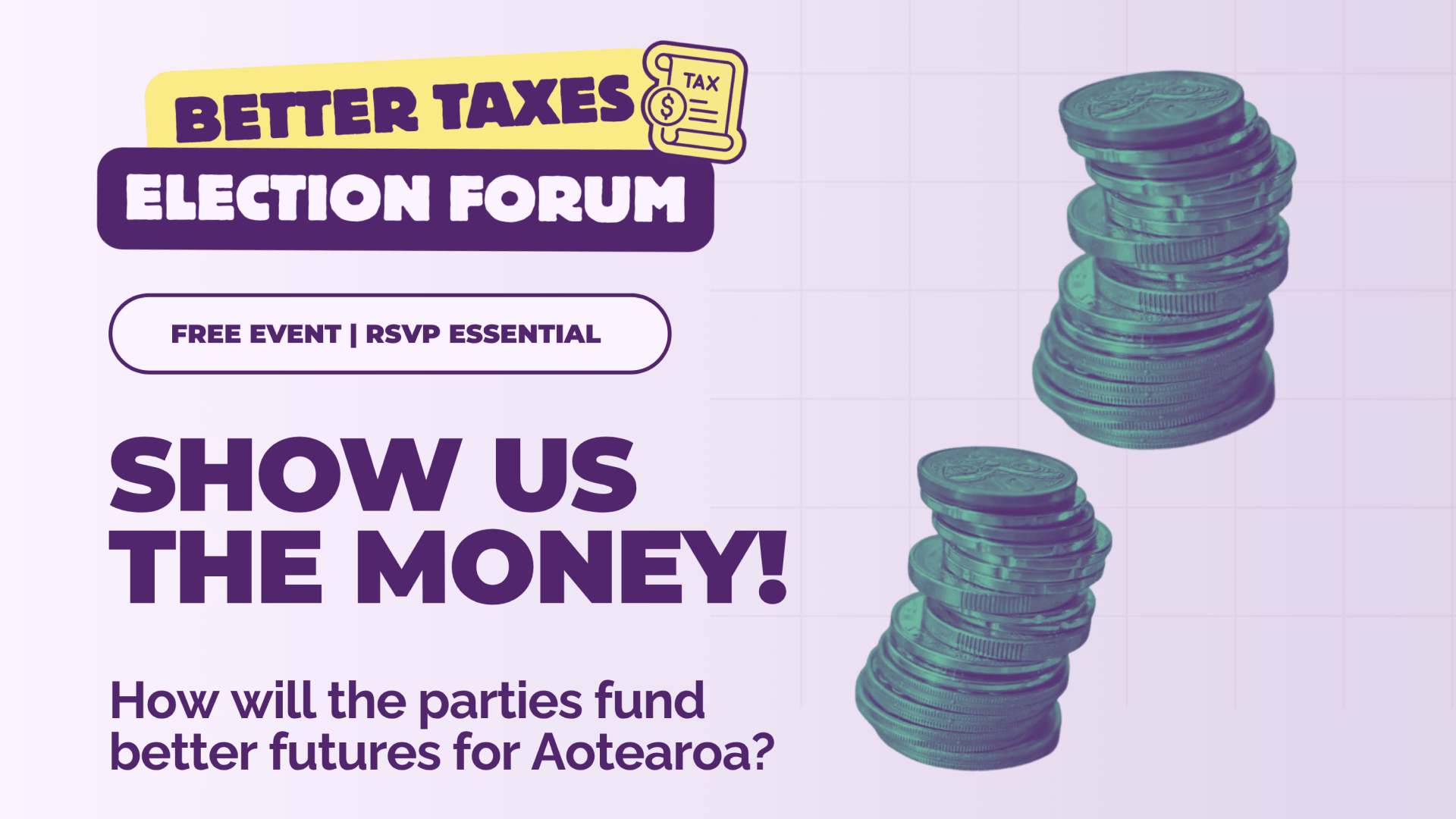
Better Taxes Election Forum Auckland: Show us the money!
Monday 5 October 2026
6:00 pm – 7:30 pm
Tax is a hot topic as the General Election approaches. Hosted by Guyon Espiner, this forum asks how the parties will use taxes to fund better futures for Aotearoa.
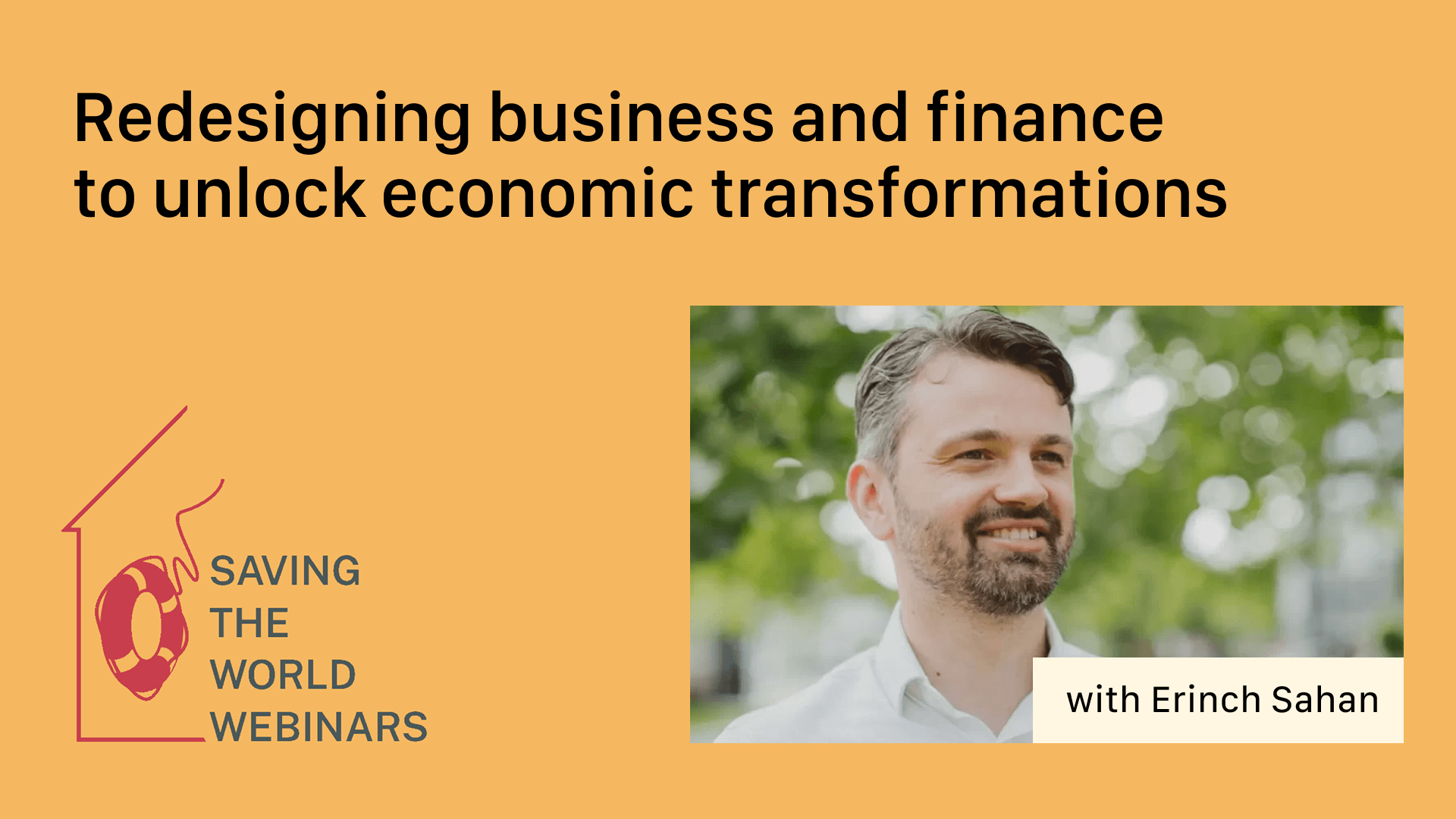
Saving the World: Redesigning business and finance to unlock economic transformations
Thursday, 8 Oct 2026 (Online)
12:30 – 1:30 pm
Episode 34 of the Saving the World webinar series features Erinch Sahan discussing how to transform businesses for planetary health equity.

Transforming climate anxiety: How to stay engaged without burning out
Friday, 16 October 2026 (Online)
12:00 – 1:15 pm
With special guest speaker Leslie Davenport, writer, therapist and climate psychology educator.
Co-hosted by Goodlife Collective and WEAll Aotearoa.
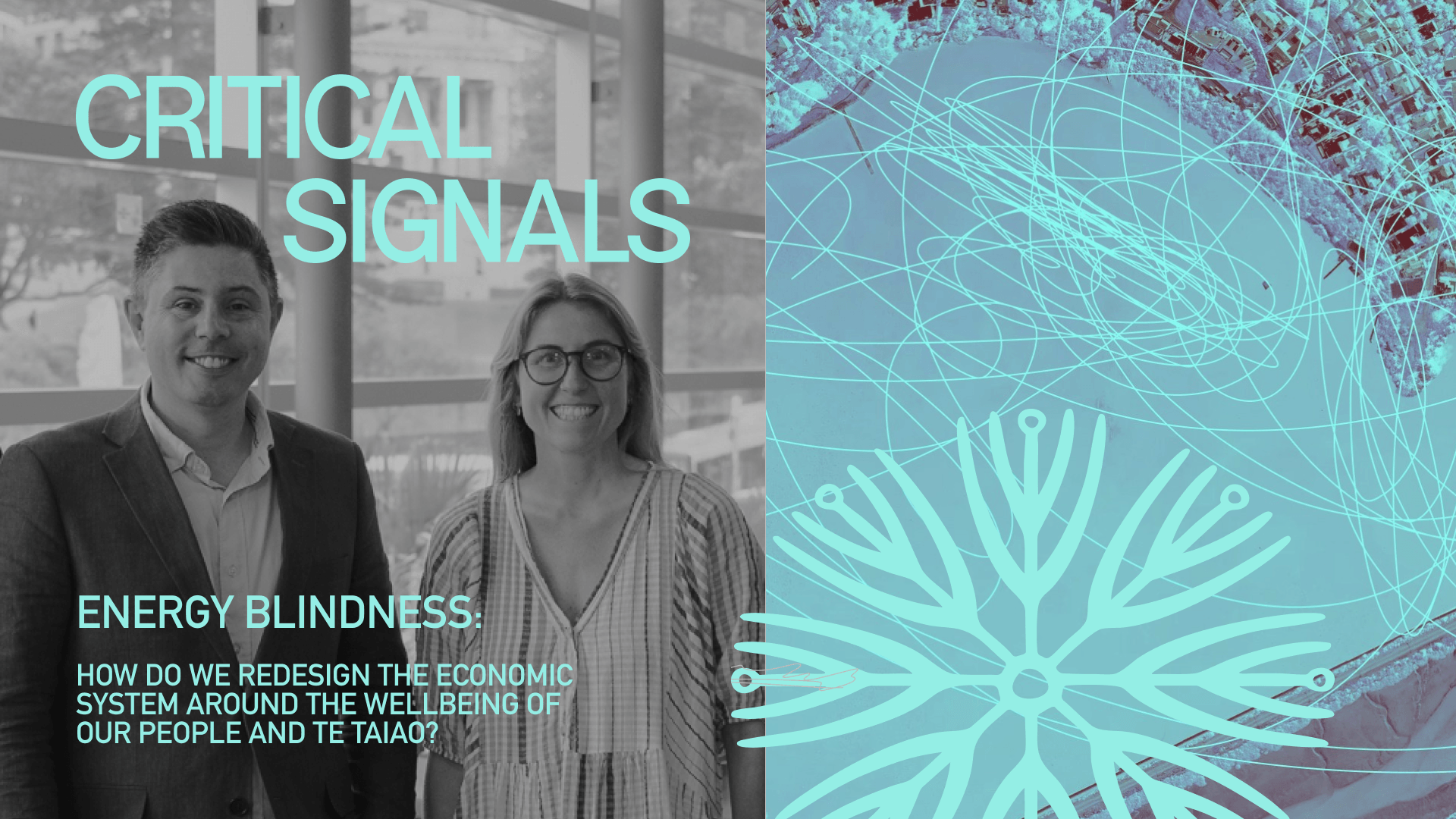
Critical Signals Wellington: Energy Blindness
Wednesday, 21 October 2026
6:00 – 8:00 pm
Our very own Gareth Hughes and Sally Hett present a talk connecting energy reality with economic redesign. As part of Critical Signals that runs through the month of October.
Tuesday, 17 November 2026
7:00 – 8:00 pm
On this we will test some narratives from our next Blueprint publication, a wellbeing economy sprint idea, and ask what you’d want to learn from a national organising tour.
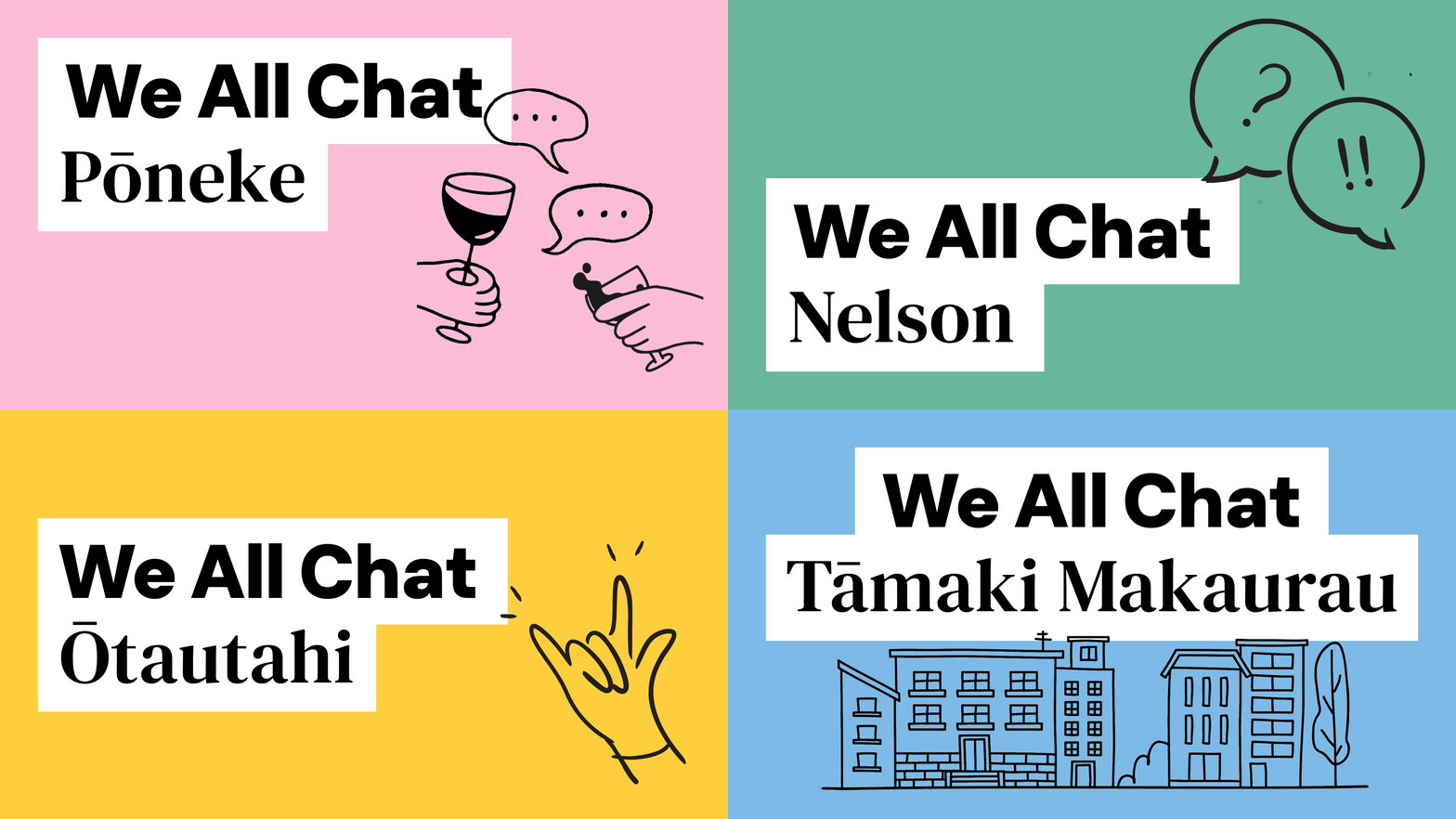
In the month of November, we’ll be hosting We All Chat community events in Auckland, Nelson, Wellington, and Christchurch. Check out the events page below for all the details!
Recommendations
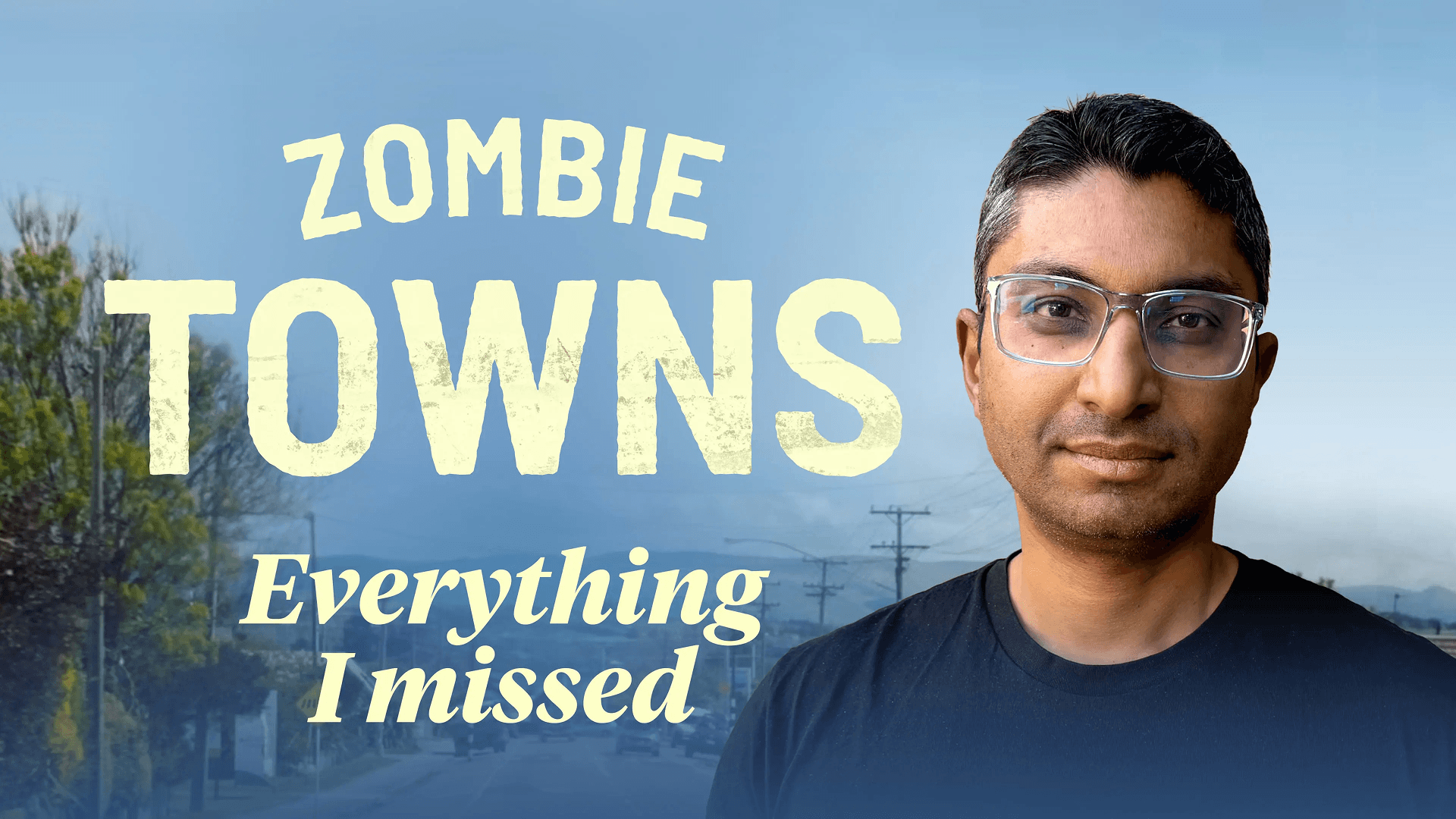
Watch this engaging new series on the ‘zombie towns’ across Aotearoa caused by the devastation of Rogernomic reforms. Economist Shamubeel Eaqub travels around the country to understand what he may have missed and find evidence of recent rejuvenation.
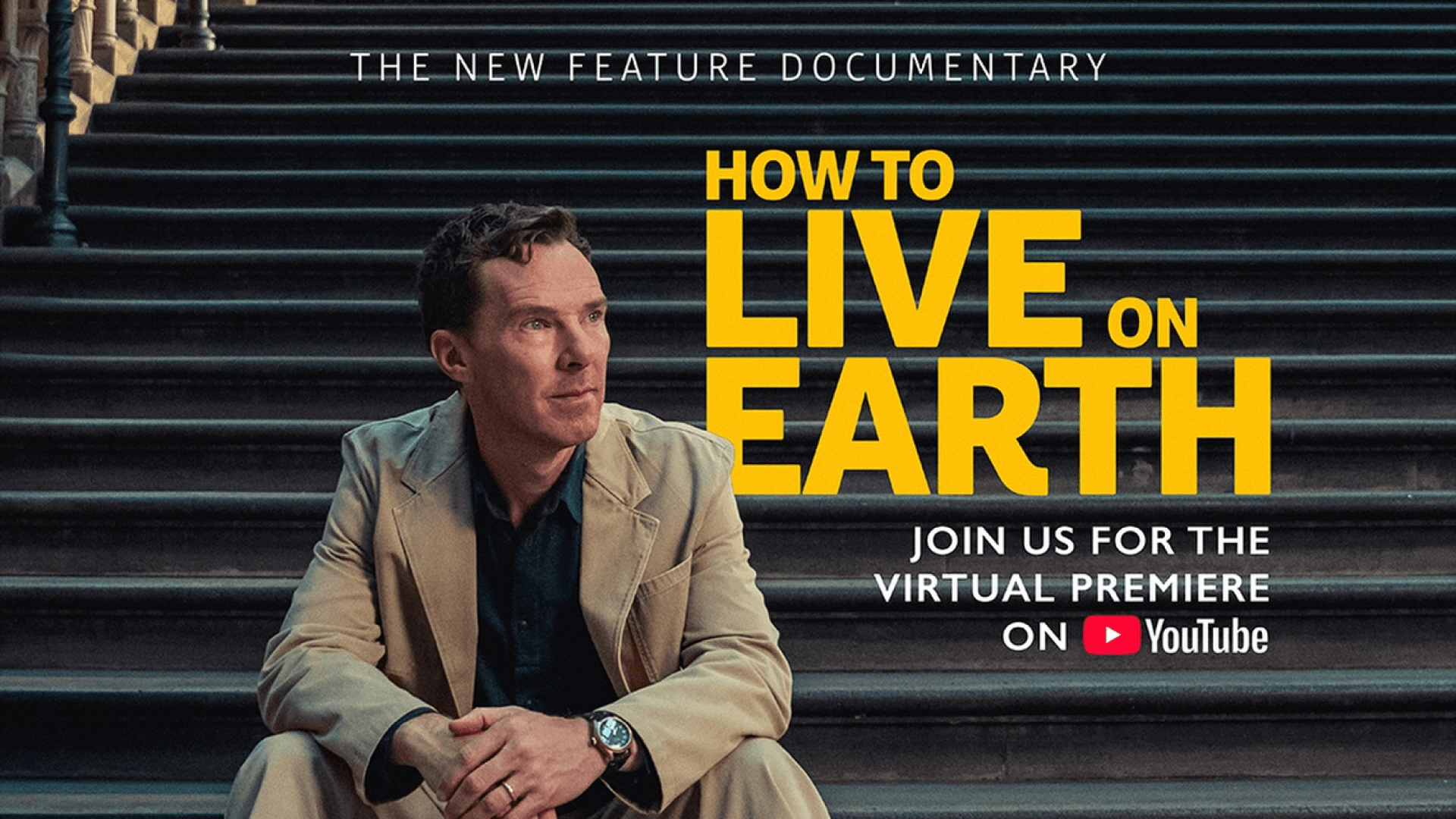
Watch the new documentary How to Live on Earth, presented by Benedict Cumberbatch, which shows what is possible when humanity works together with nature to solve our greatest challenges. Executive producer Suzan Craig, a kiwi entrepreneur and conservationist, is a big reason it is free to view on YouTube.
Read School of International Futures (SOIF) new report, Wellbeing Economy and Futures Thinking: A Framework for Long-Term Policy. A hopeful and helpful read if you're interested in practical of examples of systemic policy levers we could be using, or if you want to understand the role we all have in shaping the future,
Wellbeing economy news
Every disaster season, the public pays another bill for an economy that isn’t built to work for people, places, or the planet. Katherine Trebeck writes about failure demand for The Point in Australia. “The point is to attend to the social determinants of health such as income security, housing, work, connection, which far outstrip the contribution of hospitals and clinics.”
Can a room full of strangers solve problems MPs can’t? This compelling piece by Rebekah White argues that deliberative democracy can produce helpful solutions to difficult issues and that it’s already in use across Aotearoa, from Whangārei to Tairāwhiti.
Quote of the month
“Climate change isn’t a moral failure, it’s an accounting failure. Our economy does not account for nature because it does not see nature.”
– Tenzin Seldon, at the Nat Gala in New York, 20 September 2026
Read more