Gary Stevenson in Aotearoa
The choices we have to make about the kind of economy we want
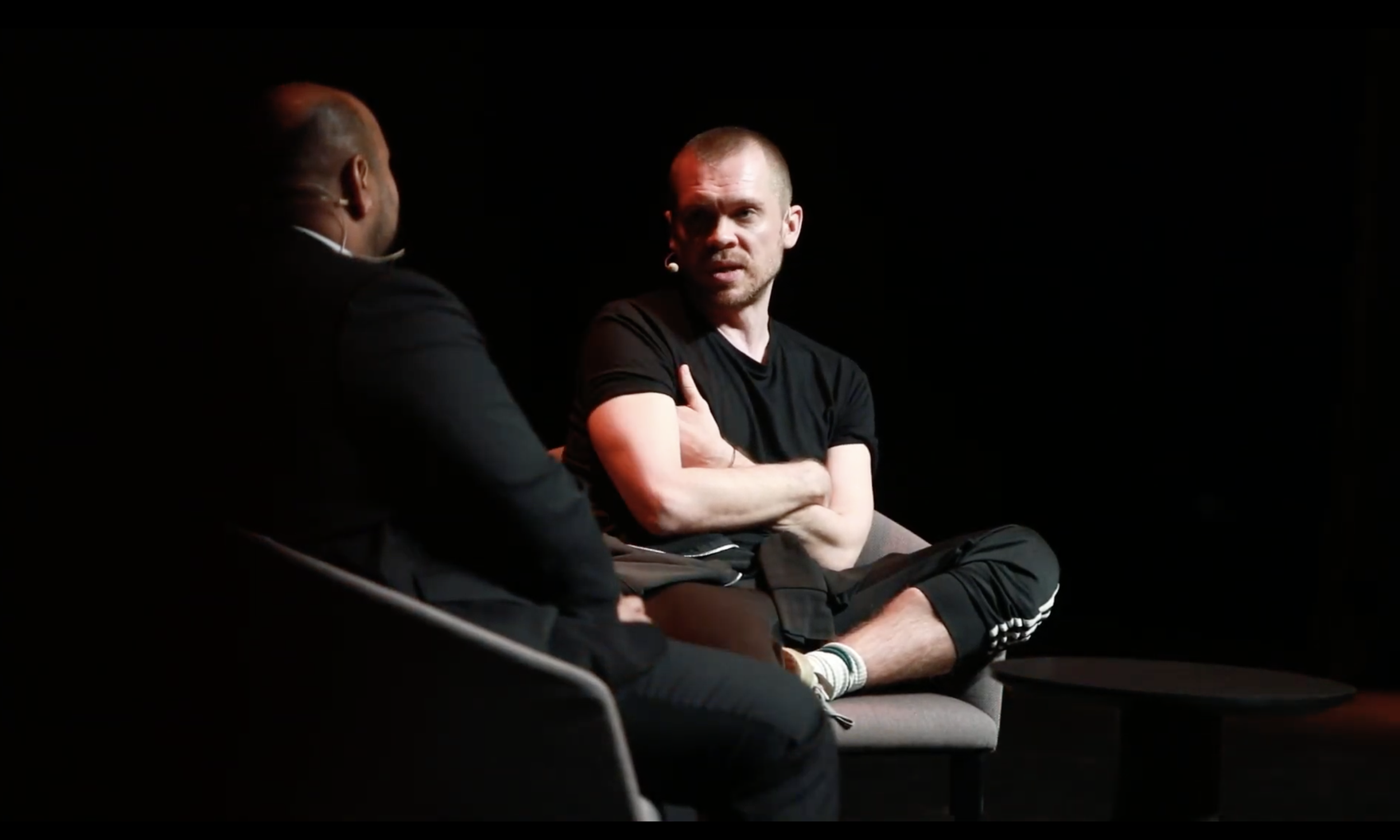
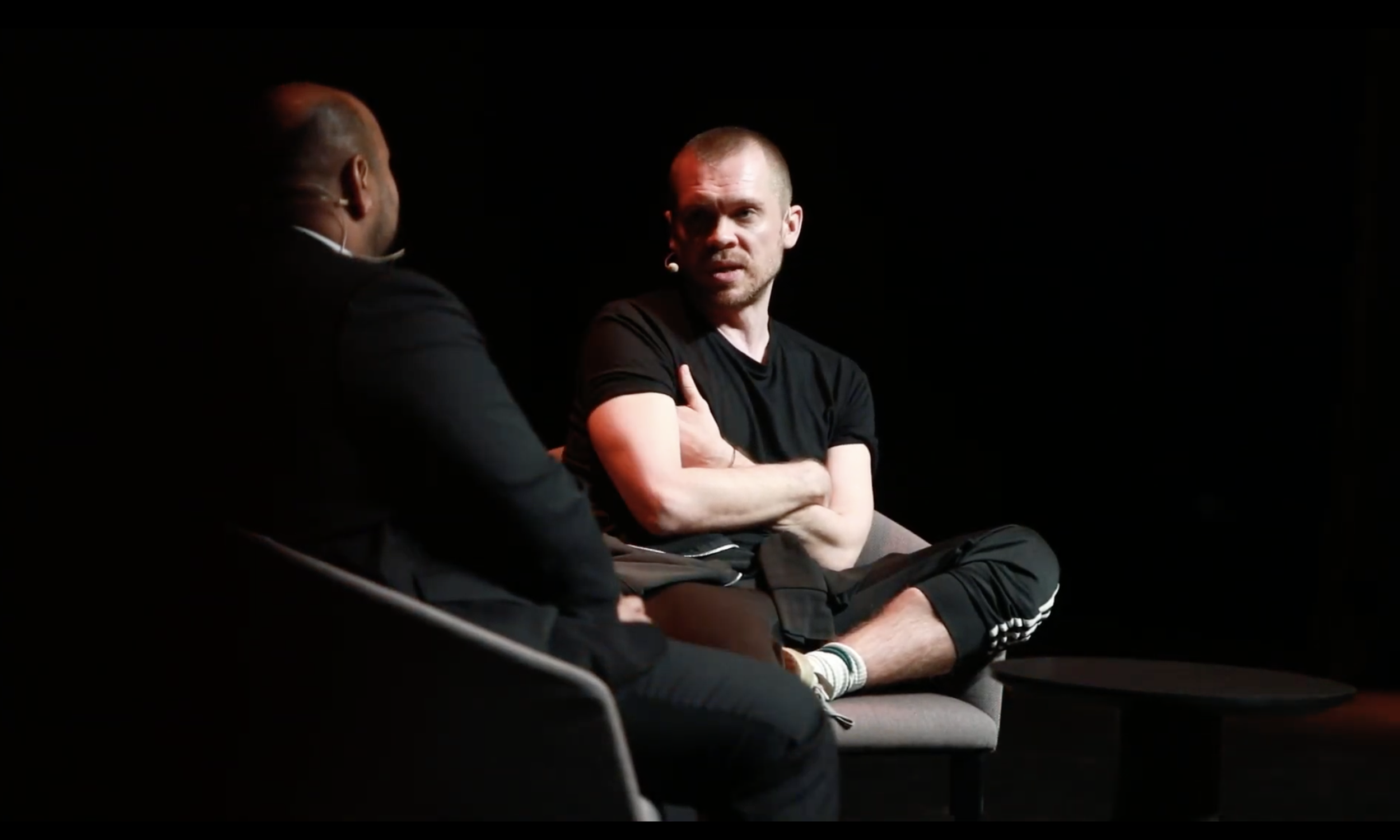
In March 2026, the Wellbeing Economy Alliance Aotearoa sponsored Gary Stevenson’s public talk in Tāmaki Makaurau. The following day we hosted an inequality hui with campaigners and community workers.
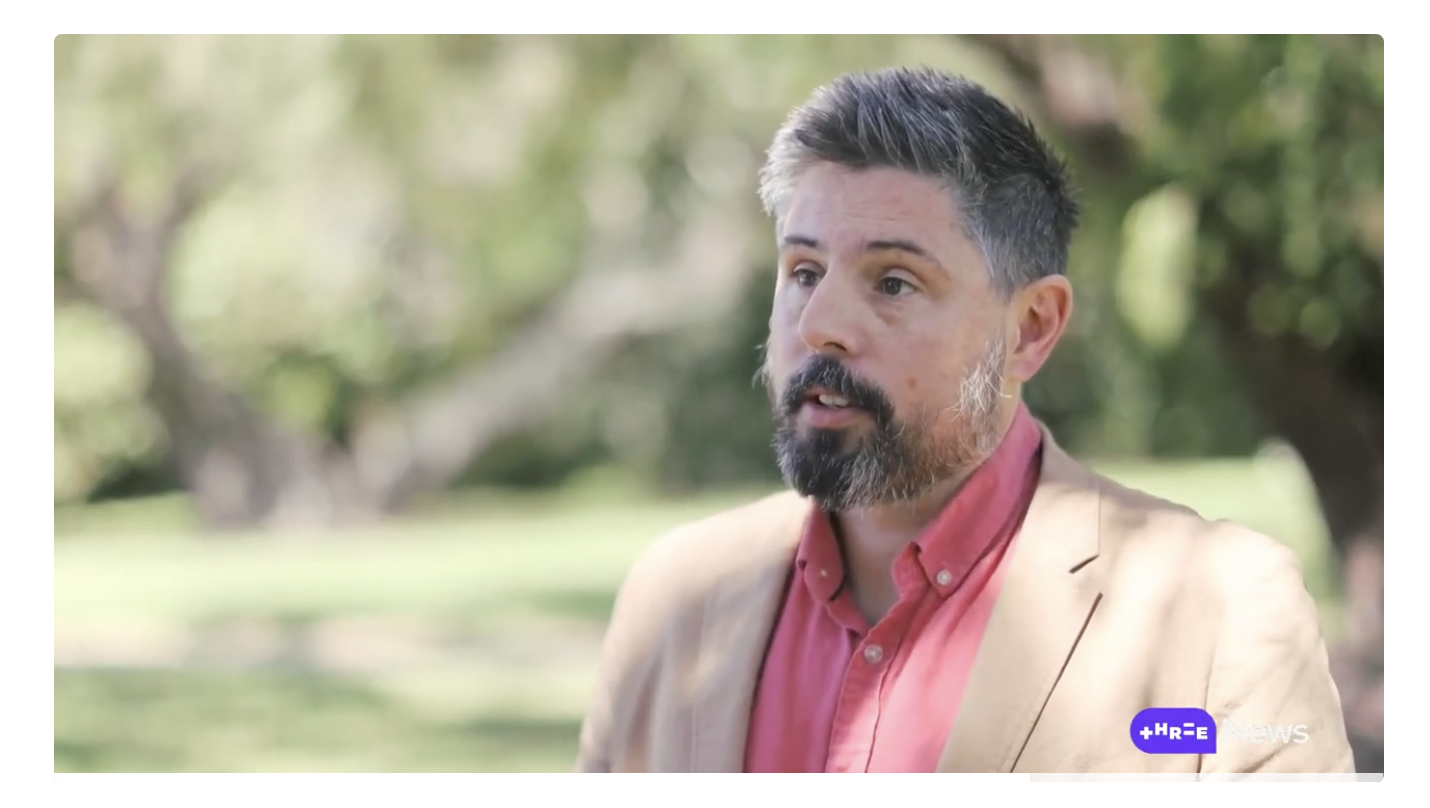
Needing little introduction, Gary is a former global finance trader turned inequality campaigner.
During his visit, Gary shared insights from his experience, explained how our current system concentrates wealth and why change is urgently needed.
He sparked conversations about a question more and more people in Aotearoa are asking:
Who is our economy really serving and who is being left behind?
“The reason your living standards are falling. The reason your kids can’t buy a house. Is because of growing inequality.”
Change is possible
Before the public talk, Gary sat down with our Director Gareth Hughes for a conversation about inequality, power, and the choices societies face about their economic future.
Their discussion explored how inequality shapes everyday life and why meaningful change is still possible if we understand the system and organise for something better...
Inequality hui
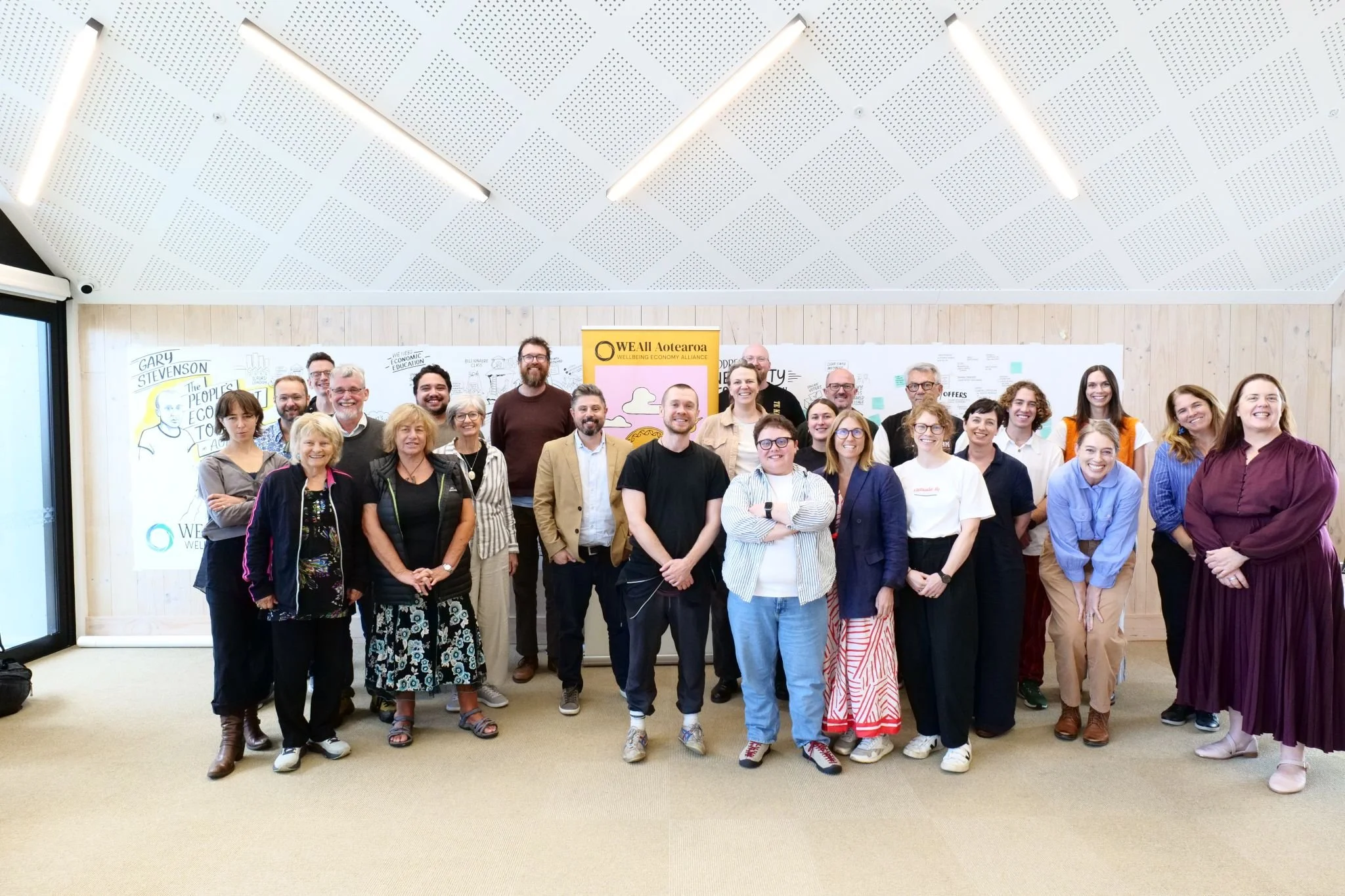
One of the highlights of his visit was being able to facilitate a conversation with Gary and around 30 inequality advocates, researchers and changemakers at Auckland City Mission – Te Tāpui Atawhai.
The hui brought together people working across communities, research, and advocacy to reflect on the drivers of inequality in Aotearoa, share insights from their work, and explore what it will take to build an economy that works for everyone.
Key insights from his visit
-
Stay relentlessly on message
Complex economic debates often obscure the core issue. Gary’s work shows the power of consistently bringing the conversation back to inequality.
-

Refuse to be divided
The real divide isn’t between left and right, young and old, or different communities. It’s between a small group accumulating vast wealth and everyone else feeling the pressure of rising costs and falling living standards.
-

Speak so everyone can understand
One of Gary’s greatest strengths is making complex systems simple. When people understand how the economy works, they’re far more likely to believe that change is possible, and that they have a role in making it happen.
-

Unity is powerful
When people recognise the shared pressures they’re facing it becomes easier to organise for change together.
Polling and media
To coincide with Gary’s visit and the media attention we knew he would garner, we released polling to make the most of the moment.
Our polls, commissioned through Talbot Mills, revealed New Zealanders overwhelmingly want politicians to think long-term with future generations in mind; our economic system to change; and for the ultra rich to be taxed more to fund public goods like healthcare, housing and climate action.
“There is an overwhelming view that politicians need to stop making decisions around election cycles and instead take a longer term view, so that our kids and their grandkids can prosper on a healthy planet.”
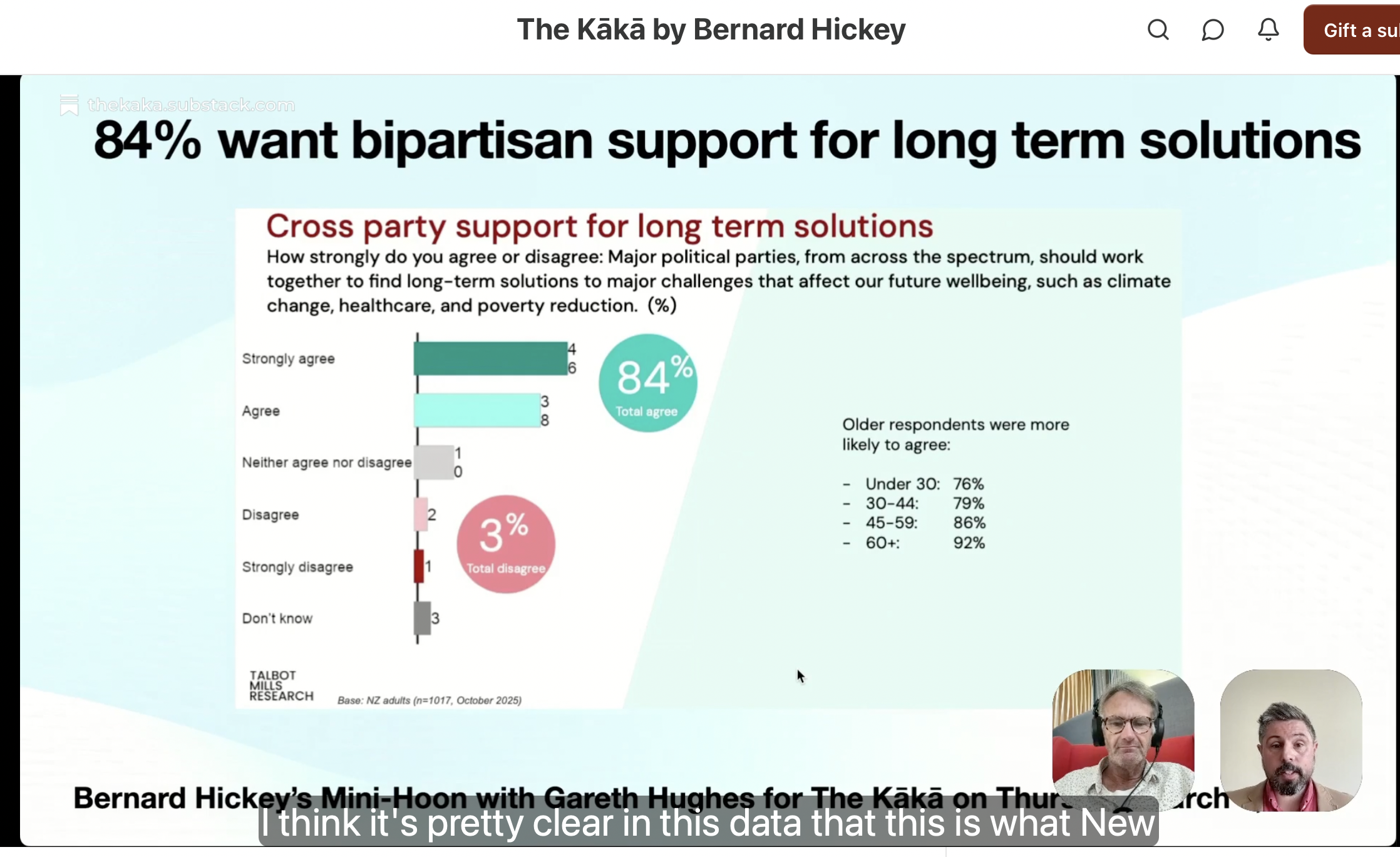
The first poll, conducted from the 9th to the 20th of October 2025, asked:
How strongly do you agree or disagree with the following:
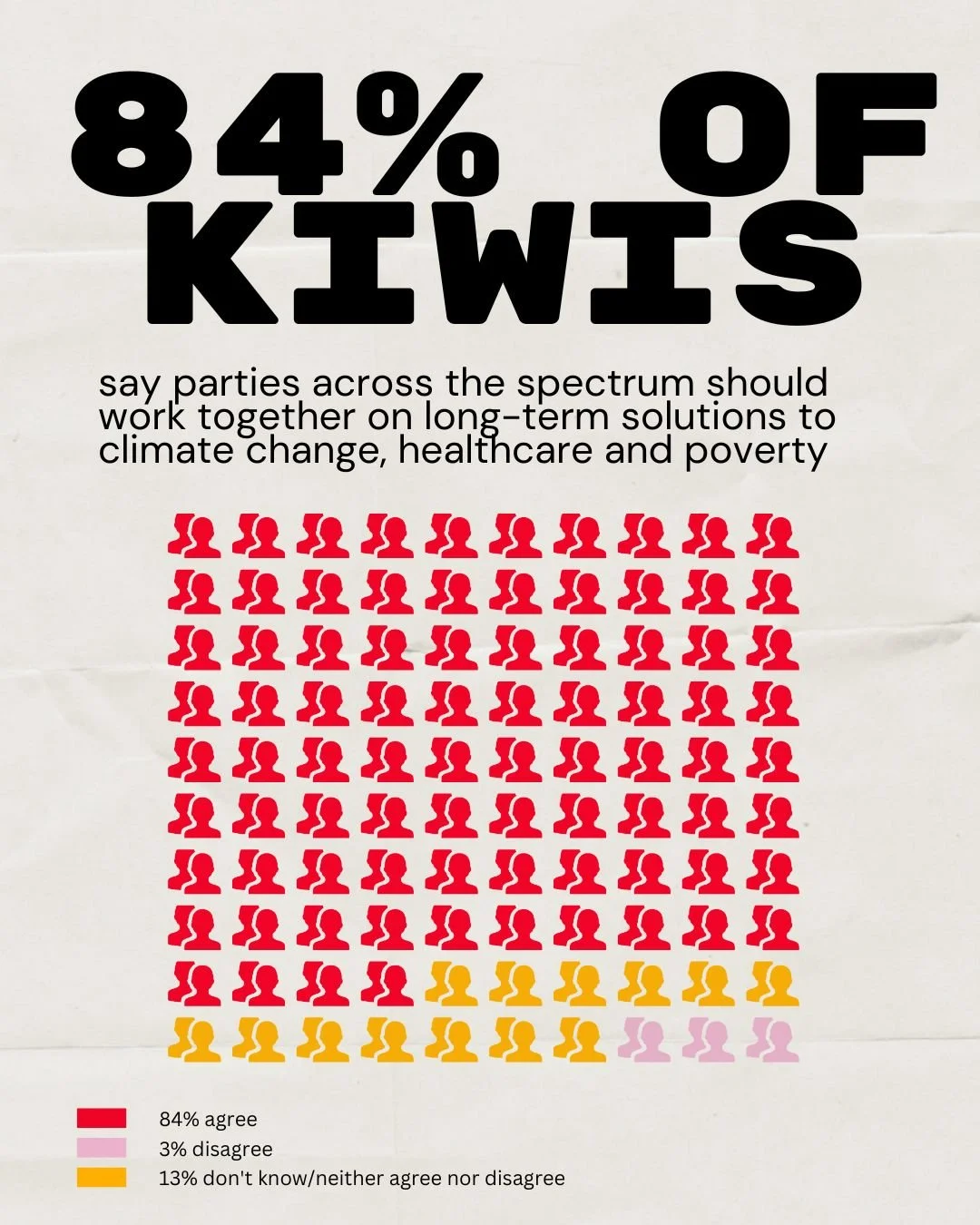
Major political parties, from across the spectrum, should work together to find long-term solutions to major challenges that affect our future wellbeing, such as climate change, healthcare, and poverty reduction. 84% total agree. 3% total disagree.
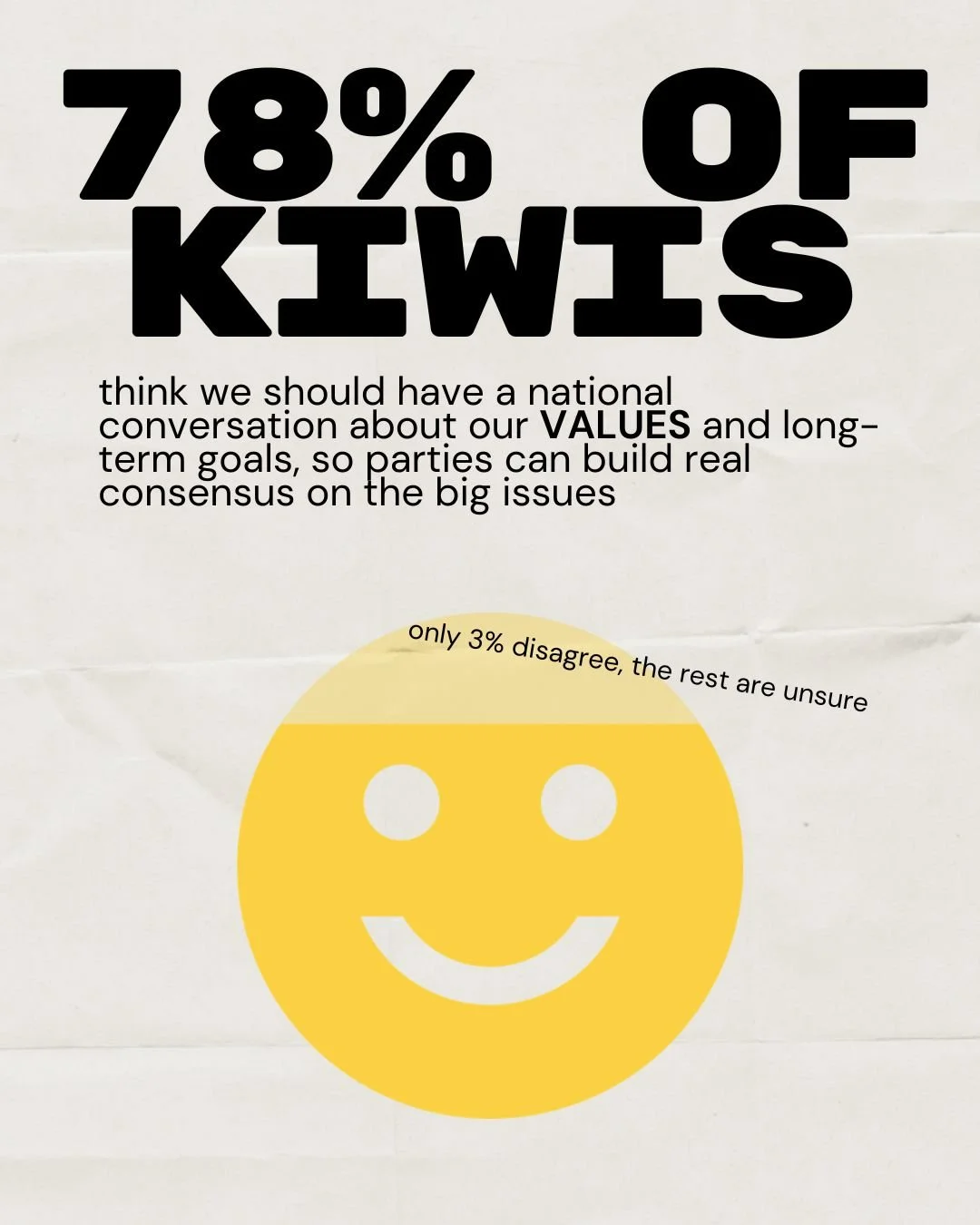
We should have a national conversation about our values and long-term goals, in order for our major political parties to build consensus on the big issues facing our country. 78% total agree. 3% total disagree.
The interests of future generations should be a priority when making decisions on important policies in the present day. 78% total agree. 4% total disagree.
Political decisions in New Zealand are often characterised by short-term measures instead of creating sustainable solutions for the future in the next 10-20 years. 76% total agree.
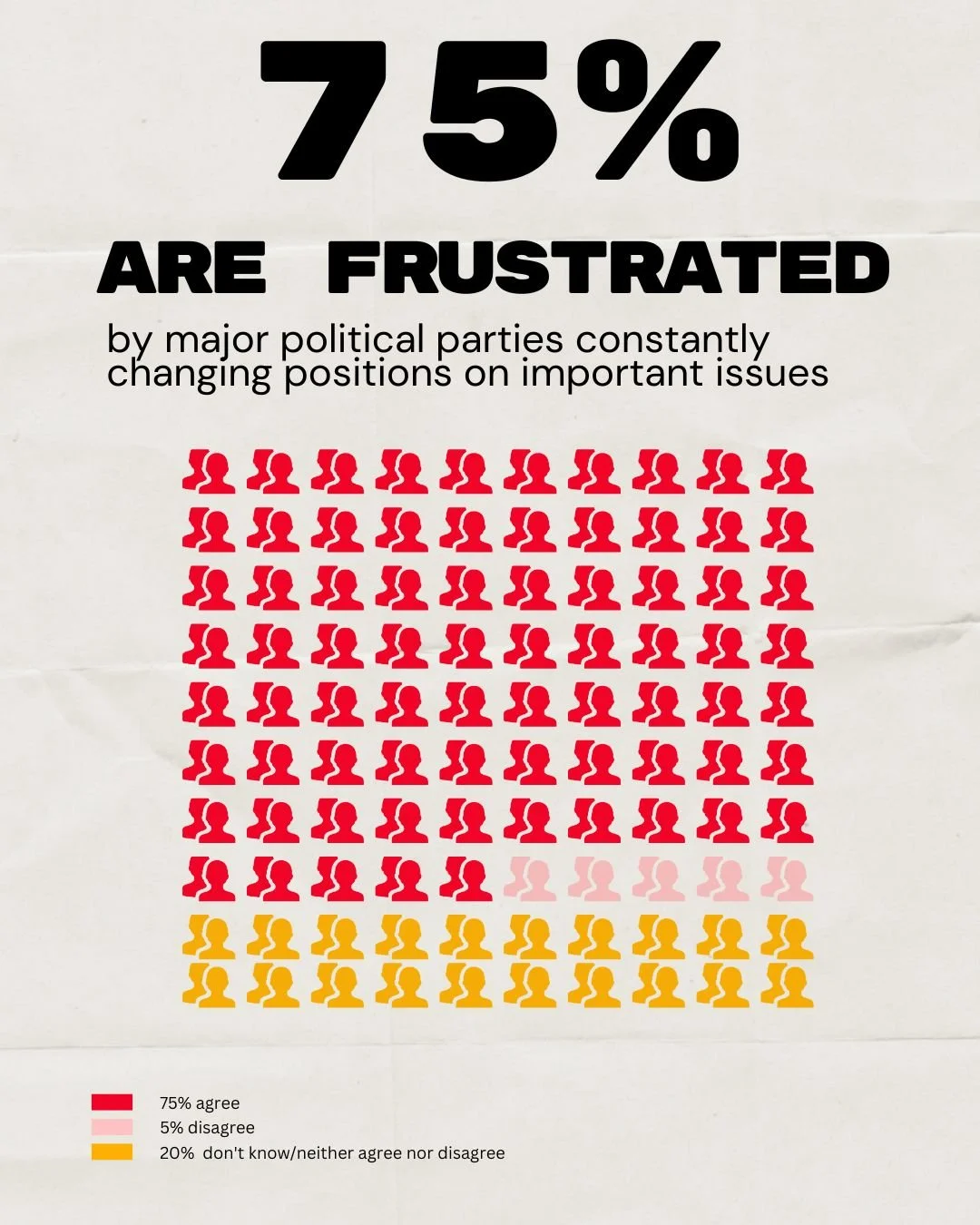
It is frustrating how the major political parties constantly change positions on important national issues. 75% total agree. 5% total disagree.
Children born today will be financially worse off than their parents. 61% total agree. 9% total disagree.
The second poll, commissioned from the 11th to the 26th of February 2026, asked:
How strongly do you agree or disagree with the following:
The economic system in New Zealand is not set up to effectively address the big issues like housing, healthcare, and climate change. 66% total agree. 10% total disagree.
No one should be a billionaire while so many people struggle to afford basic necessities like housing, food, and healthcare. 50% total agree, 24% total disagree.
How strongly do you support or oppose the following in NZ:
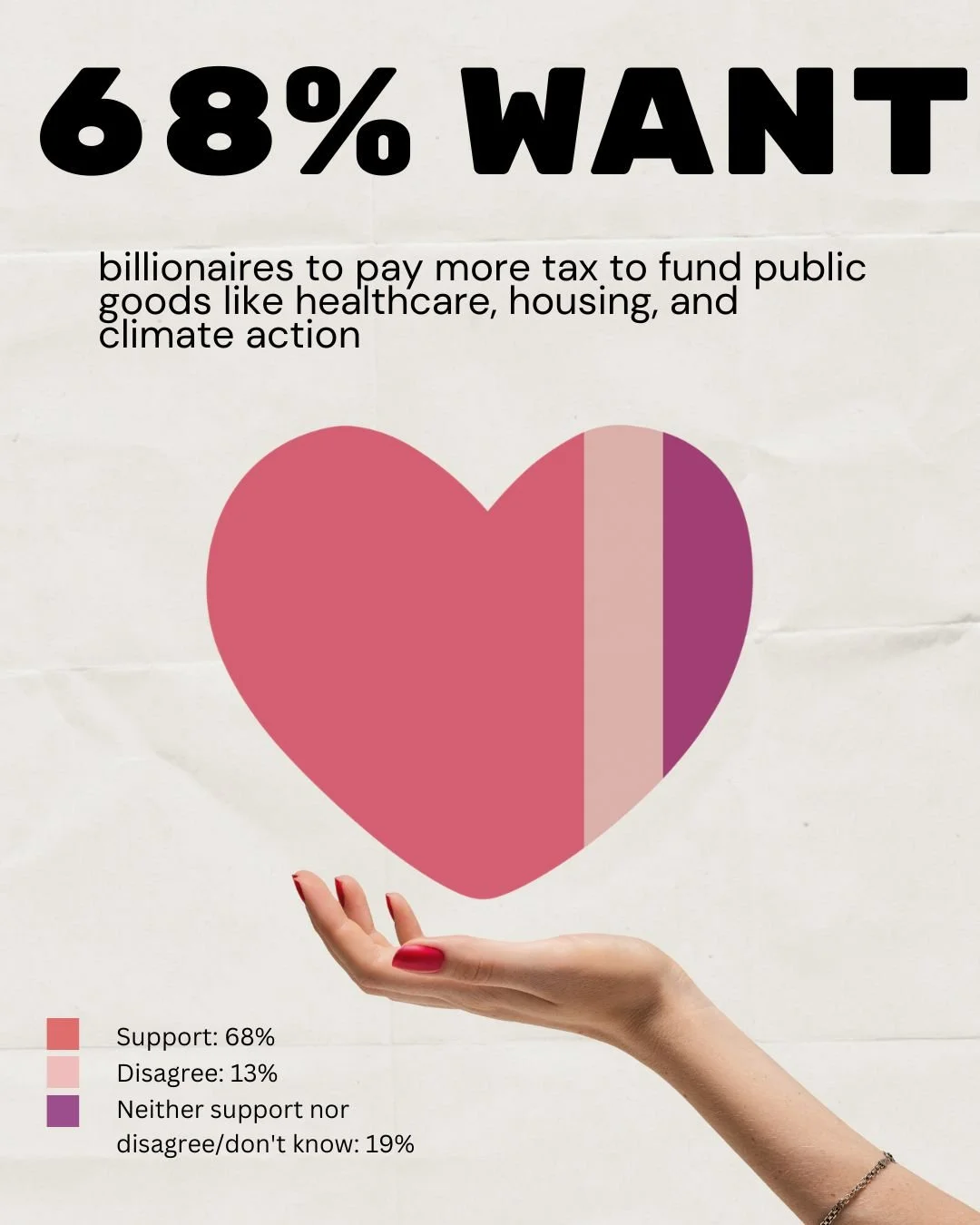
Billionaires paying more tax to fund public goods like healthcare, housing, and climate action. 68% total agree. 13% total disagree.
Introducing a billion dollar wealth cap - a maximum amount of wealth any person can legally hold. 37% total agree. 34% total disagree.