
Asbestos in play sand tells us that our economy is valuing the wrong things
By Georgie Craw
This article was first published in The Post
OPINION: Asbestos in play sand should be impossible. Yet here we are. When I got the news from my son’s kindy, I got that familiar jolt of parental fear. How, in 2025, does such a dangerous material find its way into children’s toys?
We’re told the health risk is low because it isn’t the most dangerous type of asbestos and may not have been inhalable. Yet more than 40 schools and early childhood centres across New Zealand have temporarily closed over fears of contamination, not to mention the countless children exposed in their own homes.
But even if the personal risk is low, the systemic failure is enormous. It’s another example of an economic system that, while supposedly meant to support our wellbeing, creates the conditions for risks to spread.
Late capitalism, neoliberalism, whatever you want to call it; what we’re really talking about is an economic system driven by cheapness rather than value. It’s a system that demands ever-lower prices, ever-faster production, and ever-more stuff.
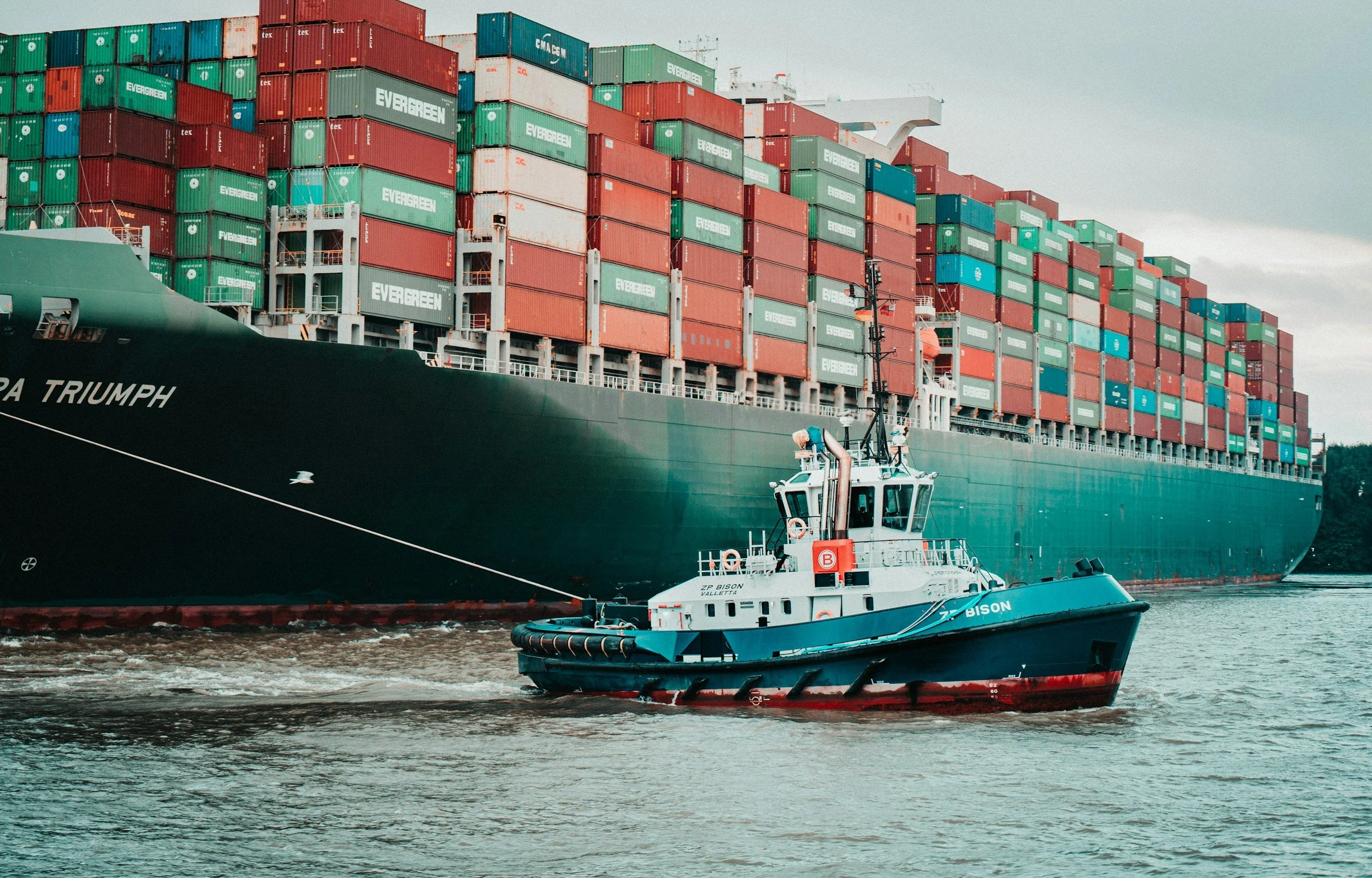
So when a company somewhere in a long, opaque supply chain finds a cheap source of sand, and when the checks and balances are absent, this is an inevitable result.
And unfortunately, it’s not just asbestos sand. Lead Aware NZ has been warning about elevated lead levels in items as innocuous as children’s novelty mugs since 2019. Consumer NZ has also shown that toys from mega-platforms like Shein and Temu regularly flunk safety standards,including formaldehyde and choking hazards.
Honestly, toys literally have one job: help kids explore the world without poisoning them.
I’ve seen parents online ask who exactly allowed this to happen? And yeah, it’s easy to picture one person in the supply chain making a quiet calculation about how much profit could be squeezed before anyone found out. But we don’t actually know (yet) how the sand became contaminated. Right now, importers are responsible for ensuring products are safe, but clearly the system has gaps and stronger safeguards are essential.
But let’s not stop there. Let’s not lose sight that the bigger story is about the consequences of the economic system we’ve built. After all, until we accidentally found out that asbestos was present in the toys, the sale of the sand was contributing to GDP. And, perversely, if children exposed today become sick years from now, their medical treatment will also boost GDP. In this weird, upside-down set of calculations, the economy can grow even as people’s wellbeing declines.
So what’s to be done? Why is our economy producing these risks? What incentives make this behaviour “rational”?
At the highest level, our economy is geared towards producing and selling products, rather than safeguarding people and the environment — let alone nurturing us. It also fuels consumerism over meaningful experiences and connections.
Becoming a mum made this clearer than ever. It felt like as soon as I was pregnant, the machinery of the modern marketplace has been nudging me, relentlessly, towards accumulating more stuff. Including the godforsaken rainbow sand we were gifted.
Before I had my son I pictured a simple childhood: a few quality toys, slow play that teaches resourcefulness and imagination, and deep experiences in nature. And we have achieved some of that, but I’m still overwhelmed by the amount of stuff we accumulate — not just through gifts but through my own purchases too. I know, I know - I don’t have to buy anything. But resisting consumption requires its own kind of stamina in this system designed to pull us in.
Luckily, there is another way. It’s the approach I now focus on in my work with the Wellbeing Economy Alliance Aotearoa: tackling problems at their upstream causes. Because many crises (climate change, inequality, biodiversity loss, toxic products) arise from the conditions created by the very economic system that is supposedly meant to help us flourish.
A wellbeing economy starts with a different set of questions: What do children need to thrive? What do our ecosystems need to flourish? Then it shapes business models, regulations and trade around those answers.
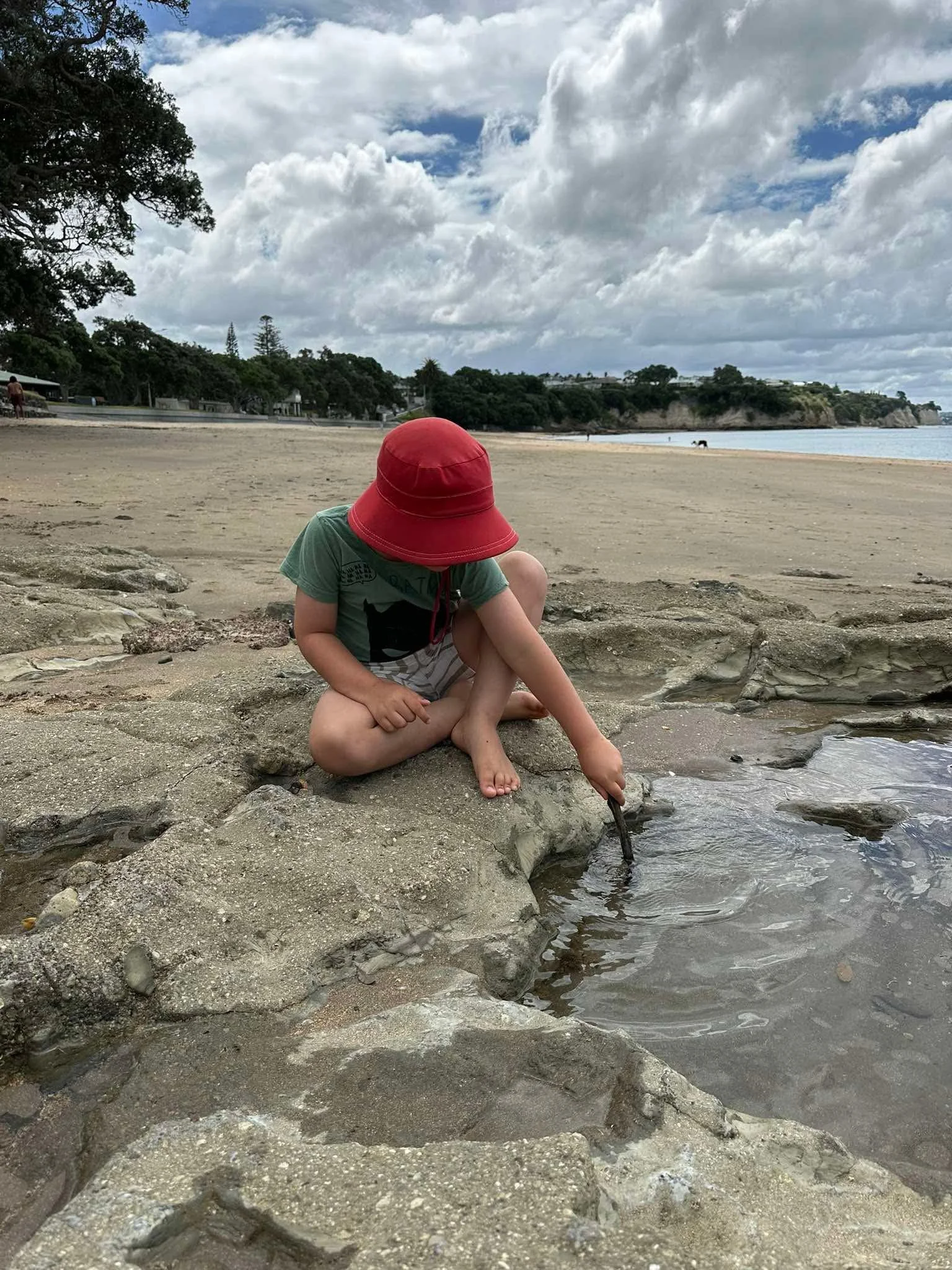
Deep down, we know we don’t need more cheap toys. What we need is more of the valuable stuff. We need more time; time with loved ones, time outside, time in places where leisure is uncommodified. We live in a country with beautiful beaches — no purchase required. But a child digging with a stick on a beach doesn’t figure in GDP. So the consumer economy keeps expanding, pulling more of life into the marketplace, selling us objects we didn’t ask for and, increasingly, can’t even trust.
Ultimately, this scandal is showing us that an economy that fails to value what is truly valuable will keep producing crises that shock us, even as they are entirely predictable.
And until we redesign that system, we’ll keep finding hazards in the very places we expect our children to be safest: the places where they live, learn, and play.
