
Research Economist, Paul Dalziel, lists seven books he thinks have important things to say about life in Aotearoa New Zealand in 2025.
“These books are written by people living among us,” he says.
“Each one explores from a multi-generational point of view what this place means to us and how we can live good lives in our own times. They range from deeply personal stories of joy and grief to insightful analyses of systemic failings in our economy that constrain the capabilities of families, whānau and communities to thrive. They offer a distinctive voice from Aotearoa New Zealand on the big issues facing the human species.”
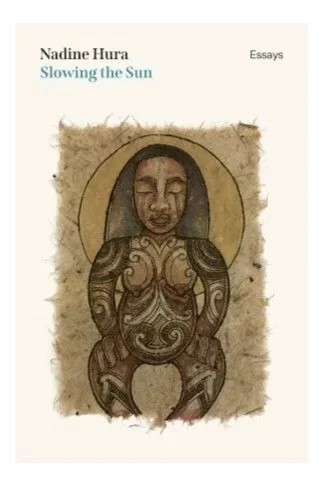
Slowing the Sun by Nadine Hura is my book of the year. Describing itself as a collection of essays, it is a rich and personal reflection on being human in these islands. Nadine shows how the violence of colonisation and the arrival of the climate crisis come from the same rapacious world view that treats land as a commodity for profit rather than our ancestral home. These themes are woven through with moving encounters with Nadine’s whānau, creating an utterly compelling narrative in beautifully crafted prose. I think this is a wonderful book.
Rebecca Macfie is one of this country’s best long-form journalists. In this book, Rebecca presents six case studies of people coming together to make a difference in the lives of young people whose futures are blighted by poverty. The book exposes the systems that sustain poverty and shows how investment in young people can have profound impacts on their futures.
Rebecca describes her unifying theme as ‘the power of people to organise and work together for something better’. The books comes from months of research for each case study. The result is a powerful insight into the lived realities of poverty and the courage of people working to make a difference.
Lots of books describe failings in our economic system, but what would a good economy look like? Craig Renney’s book sets out to answer this question for Aotearoa New Zealand. Craig argues persuasively that for decades the country has had no clearly articulated economic strategy containing a clear understanding of the goals we desire to achieve and their purpose. His book works through systemic issues resulting from this absence, before chapter 10 gives Craig’s vision for a good economy. The last chapter then offers a structured programme of reforms that Craig argues would take us in that direction, offering lots of food for thought
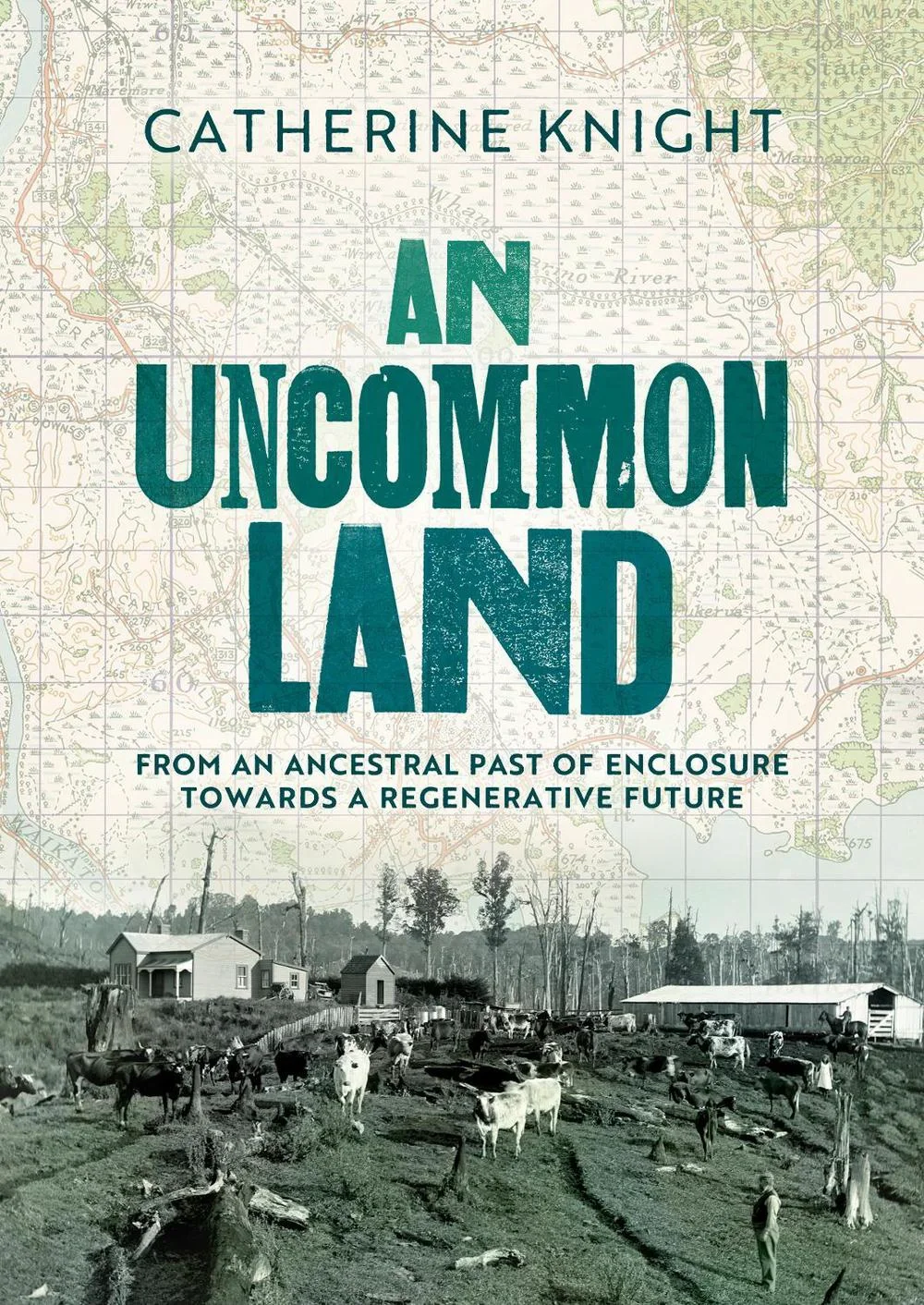
Catherine Knight’s book is part of an emerging ‘unsettled’ tradition in local literature, where Pākehā authors reflect on how ancestors acquired farmland in the early days of colonisation. Catherine writes, ‘The central premise of this book is that our collective histories abound with experience and memory, from which can be distilled wisdom.’ Catherine makes visible her ancestral stories, reflecting on how her people connected to the land, benefitting from the violent dispossession of tangata whenua. This becomes the foundation for the book’s second half that reimagines a future with ‘a commons mindset’. It is a superb read.
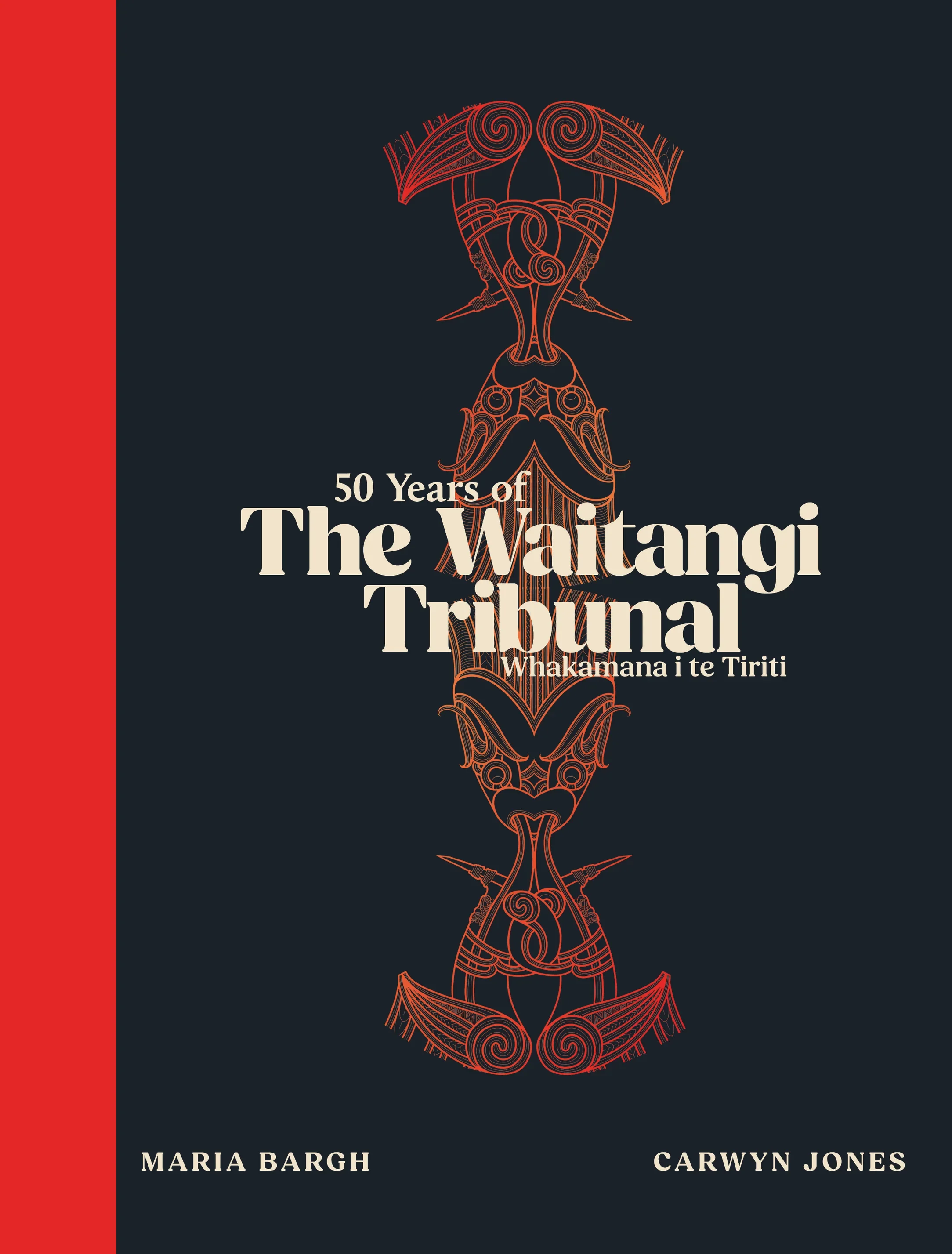
Carwyn Jones and Maria Bargh have edited this important book that honours the 50th anniversary of the Waitangi Tribunal. Each chapter offers insights into the mana of this unique institution and into the land dispossession and structural racism that continue to be ingrained in the colonisation of these islands. Highlights include the foreword by the current chairperson, Dr Caren Fox, and chapters by three of her predecessors, Hon Sir Edward Taihākurei Durie (1980-2004), Hon Justice Sir Joe Wiliams (2004-2008) and Judge Wilson Isaac (2009- 2023). The work of the Waitangi Tribunal has laid strong foundations for our future, which this book helps us to understand.
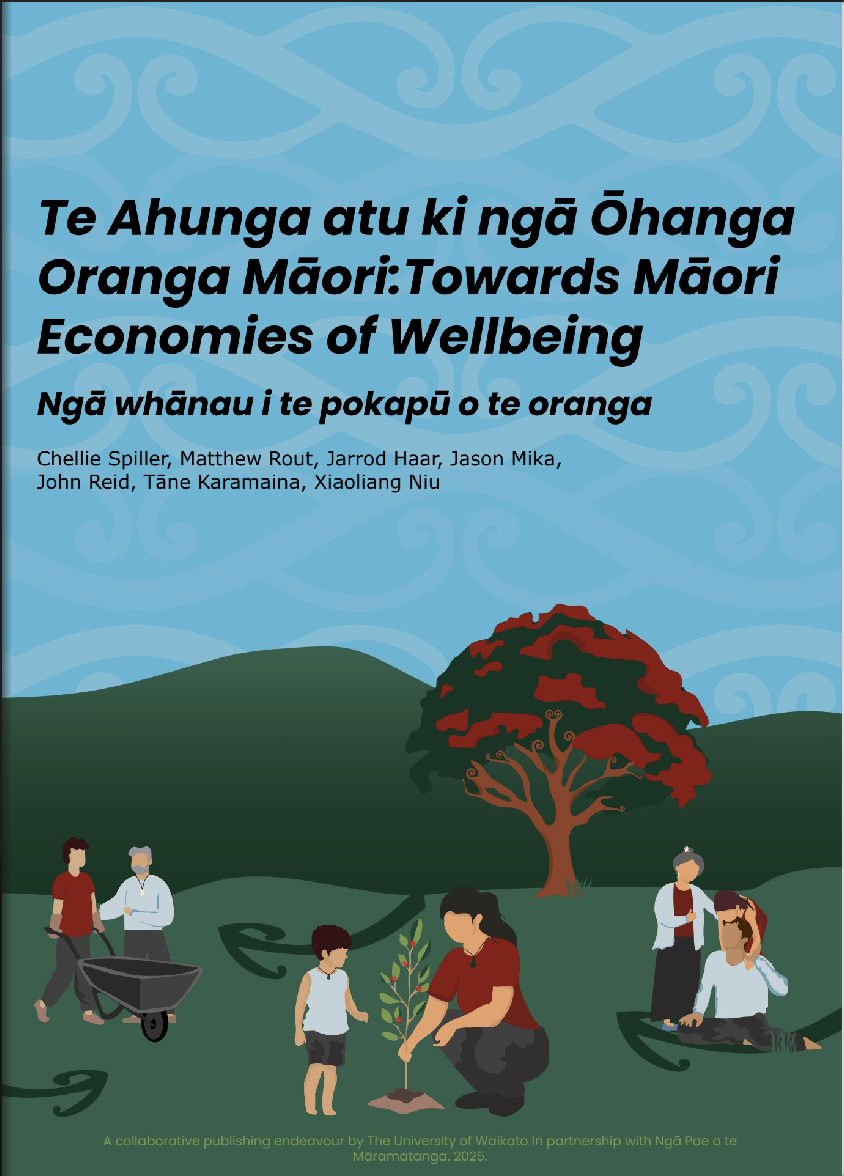
Ngā Pae o te Māramatanga is a Centre of Research Excellence that promotes a vision of creating the foundations for flourishing Māori futures. One of its research projects has been He Oranga Whānau: Mahi Ngātahi or Whānau Livelihoods Within the Context of Work and Māori Economies of Wellbeing. This open access on-line book presents the results of the research, led by Professor Chellie Spiller. As its website summarises, ‘At its heart, this project is a celebration of whānau innovarion, self-determination, and the enduring potential of Indigenous knowledge systems to shape economic transformation that is equitable and sustainable.’
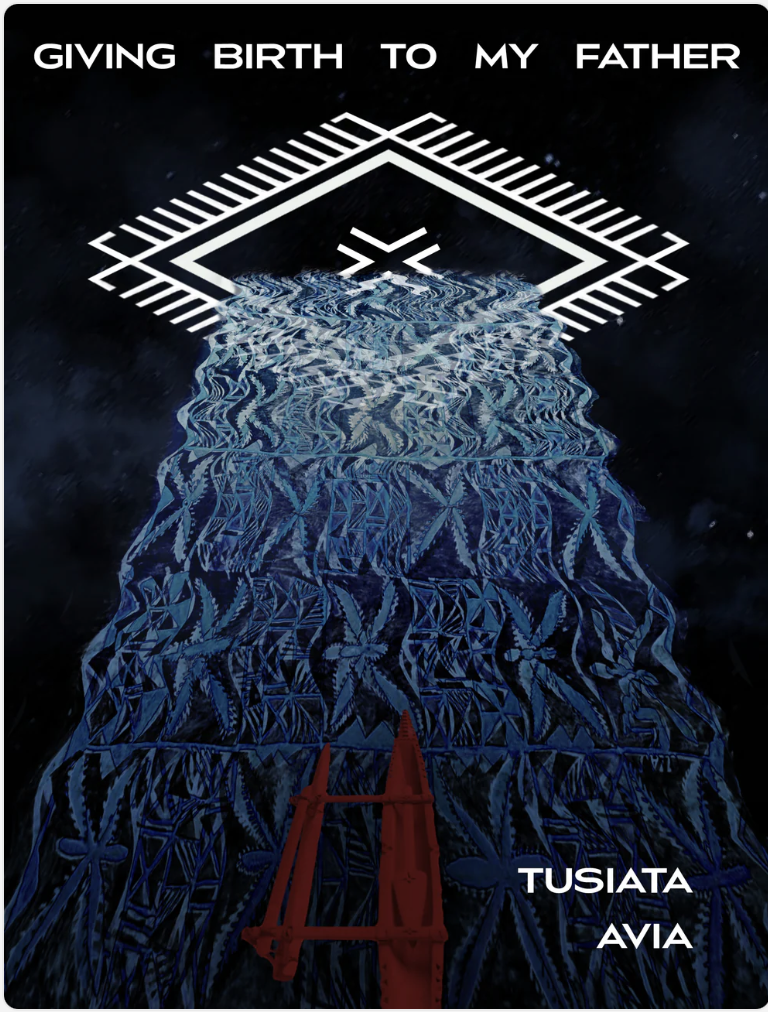
Tusiata Avia has won several awards for her poetry, including the Prime Minister's Award for Poetry in 2023. Tusiata has described herself as becoming a boundary walker or shape shifter, walking between worlds. In Giving Birth to My Father, Tusiata walks along the shore at the edge of life, navigating stormy weather before and after the death of her father, Namulau‘ulu Mikaio Avia, who was one of the first Samoans to settle in Christchurch. Tusiata’s poems hold moving echoes of the economic and cultural struggles that many arrivals and their children experience in a new place.
