Why Inner Development Goals Matter for a Wellbeing Economy
This is a guest post written by Jay Crangle
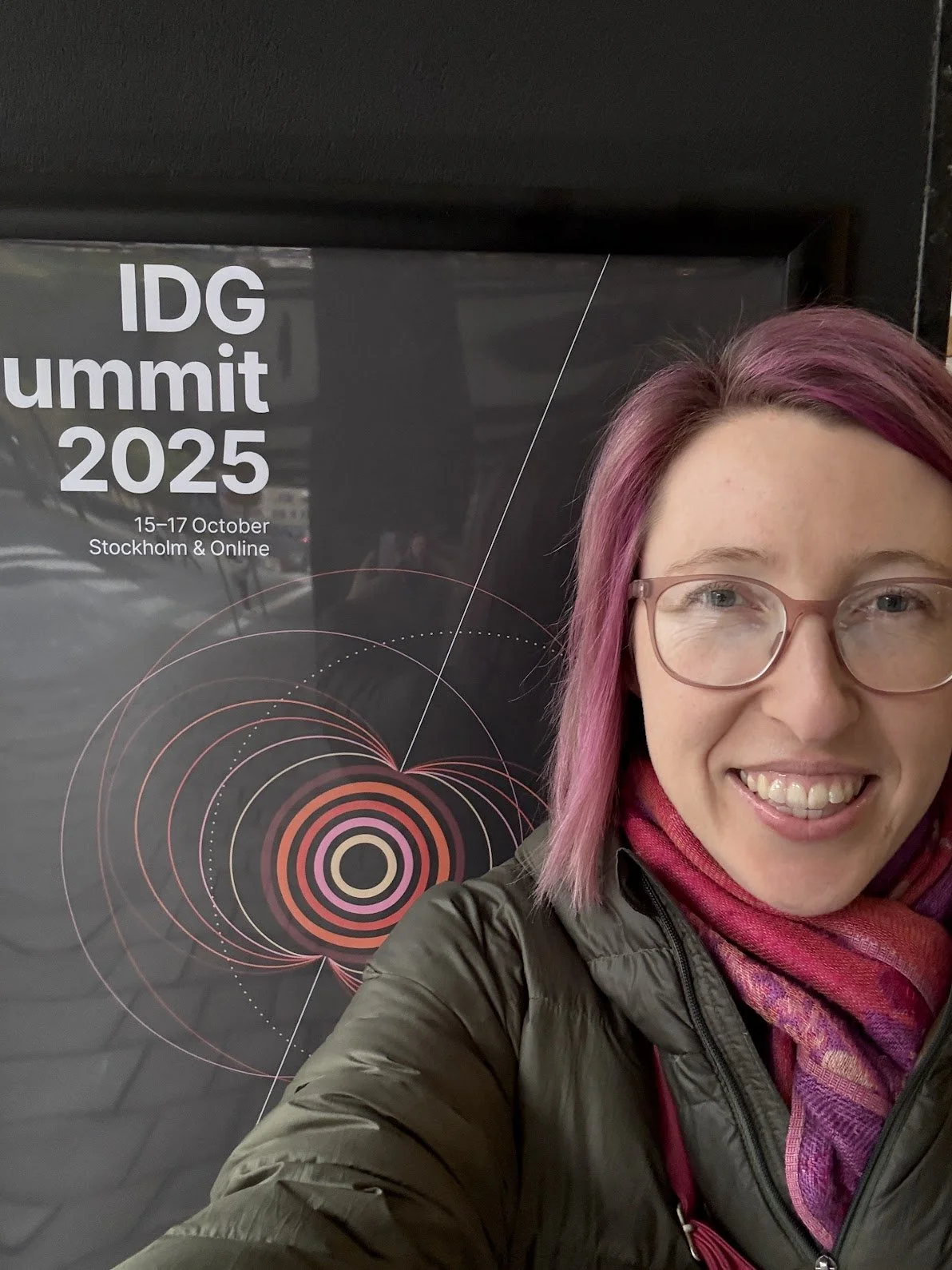
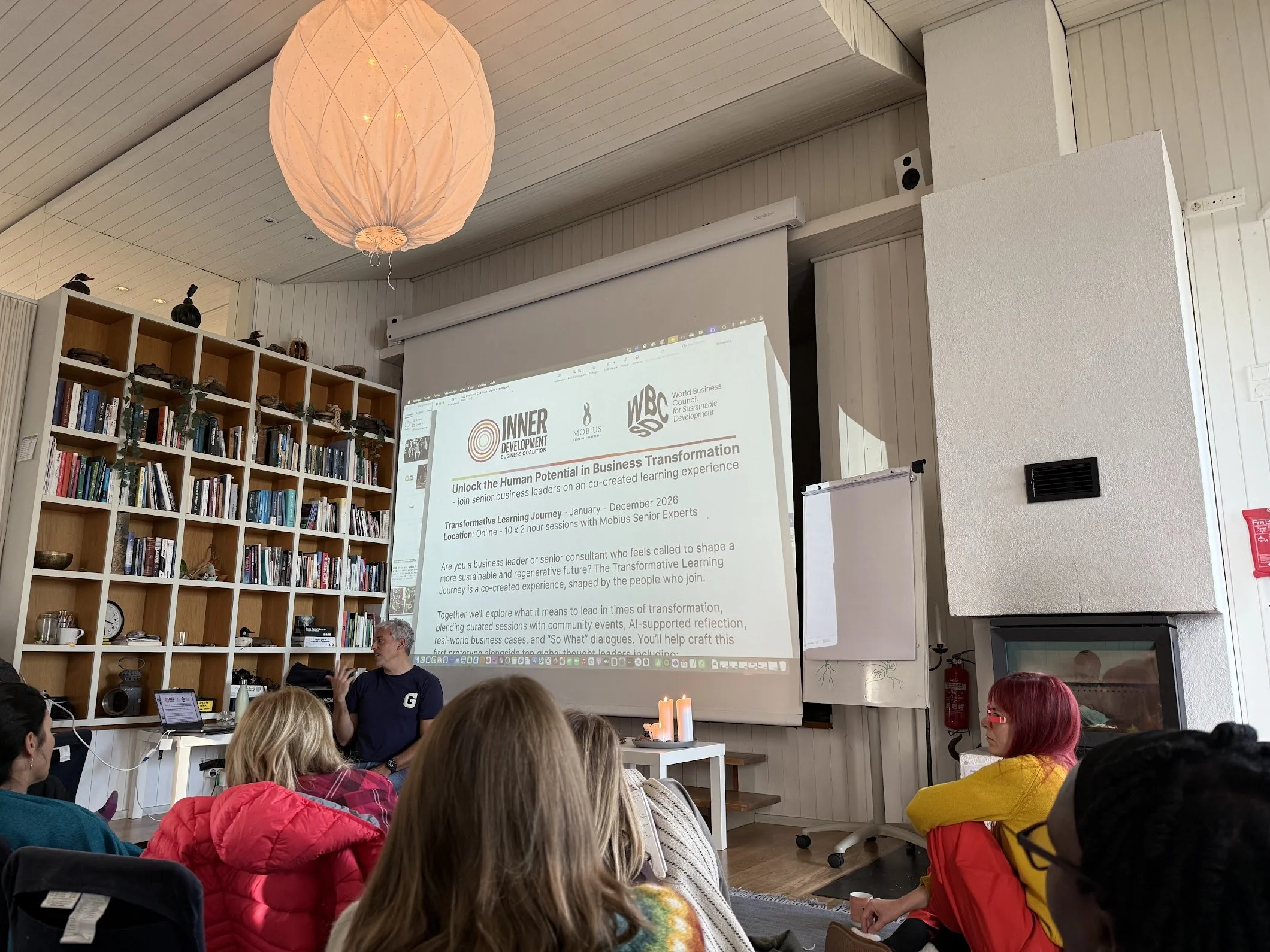
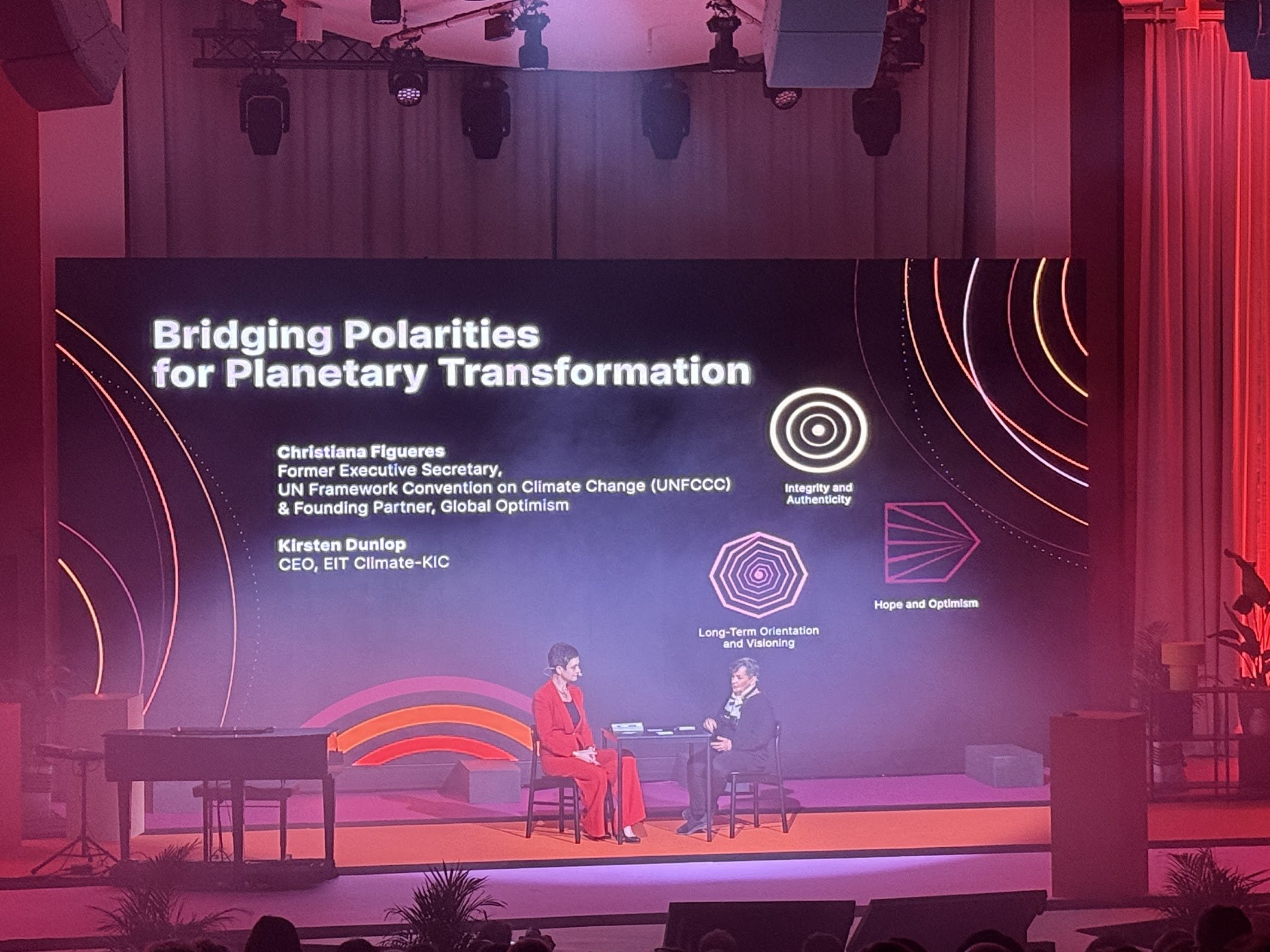
In 2025 I was honoured to be selected for the Inner Development Goals (IDG) Ambassador Programme and to attend the IDG Summit in Sweden.
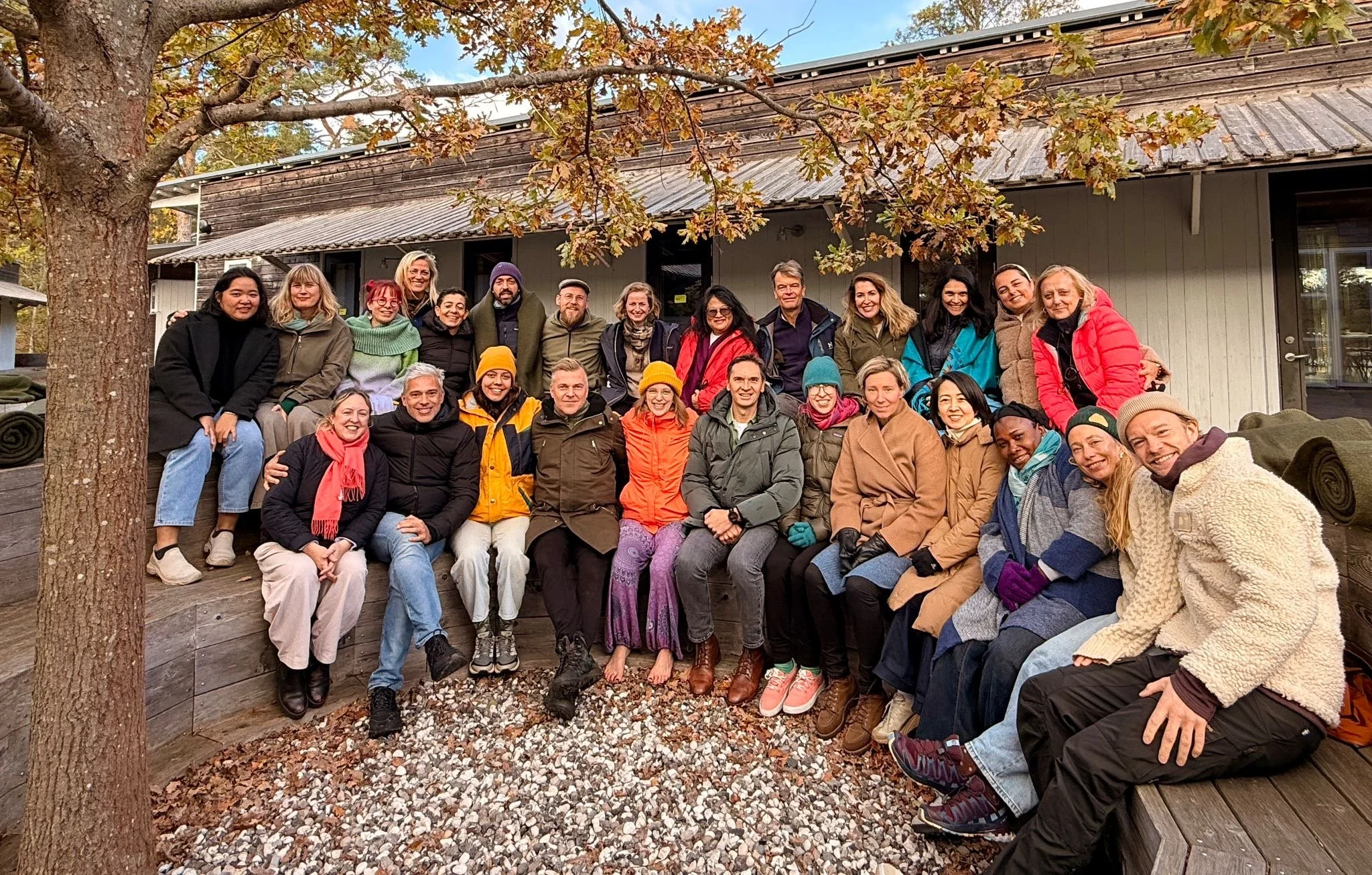
This experience was transformative—bringing together global leaders, practitioners, and changemakers committed to developing the inner capacities needed to tackle the world’s most pressing challenges.
The summit reinforced a powerful truth: systemic change begins with inner change. This insight is central to how we can reimagine our economic systems to prioritise wellbeing over growth.
Why inner development?
Progress on the UN Sustainable Development Goals has been slow, not because we lack technology or resources, but because we lack the inner capabilities to lead transformative change. The IDGs framework identifies five dimensions—Being, Thinking, Relating, Collaborating, Acting—and 23 skills that enable individuals and organisations to navigate complexity with courage, empathy, and systemic awareness.
These skills are not “soft” extras; they are the foundation for redesigning systems. Without leaders and communities who can think long-term, collaborate across divides, and act with integrity, efforts to build a Wellbeing Economy will stall.
The link to a wellbeing economy
A Wellbeing Economy is built on principles of dignity, fairness, nature, purpose, and participation—values that require inner capacities to bring to life. For example:
Dignity and fairness demand empathy and perspective-taking.
Participation relies on trust-building and collaborative intelligence.
Purpose calls for authenticity and resilience in the face of uncertainty.
Embedding IDGs into economic transformation means equipping policymakers, business leaders, and communities with the inner tools to design and implement policies that prioritise people and planet. This is not just personal development; it is systemic leverage.
How this connects to WEAll’s Mission
WEAll advocates for an economy that serves life. The IDGs provide the human infrastructure for that shift. They help us:
Move beyond compliance to genuine cultural change.
Foster adaptive leadership for intergenerational decision-making.
Build resilience to sustain momentum in the face of political and economic turbulence.
As WEAll’s Blueprint for Prosperity highlights, redesigning the economy requires bold ideas and collaborative action. IDGs complement this by cultivating the inner strength to lead that change.
What next?
Imagine a future where economic policy design workshops begin with inner development practices—where empathy and systems thinking are as valued as fiscal modelling. This is the integration we need.
Call to action
If you believe in building an economy that prioritises wellbeing, start with inner development. Here’s how you can get involved:
Learn about the IDGs and their potential for systemic change.
Champion IDGs in policy dialogues.
Embed IDG principles in your organisation’s culture to align economic activity with wellbeing.
Join the global IDG movement and collaborate with WEAll and SBC to share tools, learning, and inspiration.
Together, we can create an economy that serves people and planet.