
Gareth Hughes: Scotland hasn't beaten us at rugby in 120 years, but they're winning on the economy
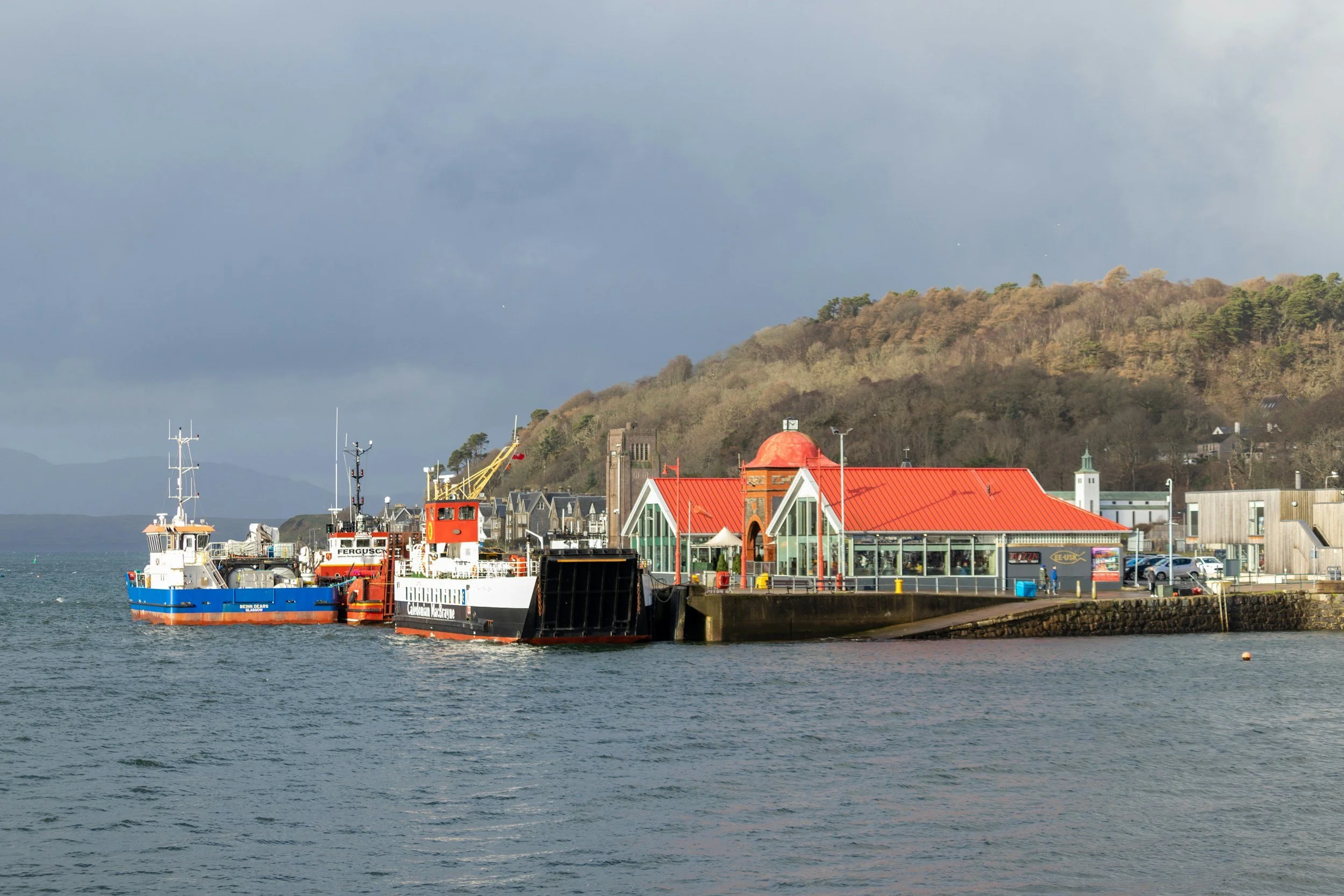
I didn’t see the sun once when I was in Scotland researching Community Wealth Building last year, but I did see practical steps towards a brighter economic future.
And now, six months later, Scotland has taken a small, but potentially transformative step, unanimously passing the Community Wealth Building Bill in the Scottish Parliament.
According to the Scottish Government “It will support investment in communities with councils, health boards and other public bodies focusing on the generation, circulation and retention of wealth in local and regional economies.”
Community Wealth Building (CWB) is an approach to economic development. It focuses on ensuring that economic wealth is generated, circulated and retained in local communities.
Practically the Bill places duties on public bodies like hospitals and universities to use procurement, investment, land, and employment practices to build local wealth and local government to develop and implement CWB action plans.
The law makes Scotland the first country in the world to legislate for community wealth building and it would make sense for New Zealand to be a fast follower.
Meeting experts from The Centre for Local Economic Strategies in Edinburgh they told me “CWB seeks to change the way that our economies have come to function by aiming to retain more wealth and opportunity for the benefit of local people.”
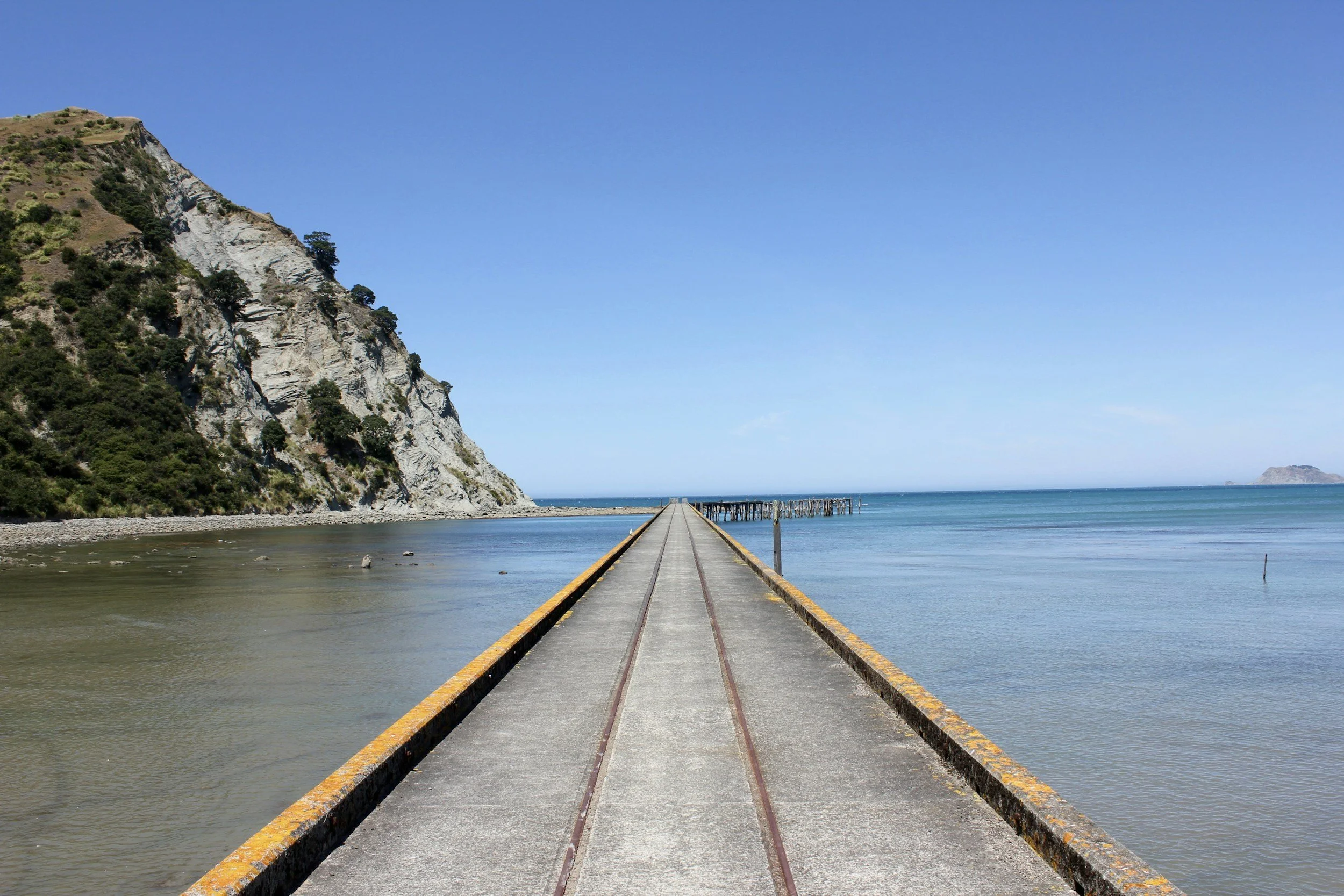
Coming from Tairāwhiti and remembering the impact of the freezing works closing on my family and wider community I have always been interested in how we can grow and keep good jobs. I served multiple terms on our Parliament’s Economic Development Select Committee and I first heard about CWB as the ‘Cleveland Model’ many years ago.
Cleveland, Ohio was a quintessential deindustrialising ‘Rust Belt’ city whose informal slogan was “At least we’re not Detroit.”
The ‘Cleveland Model’ started with the Cleveland Clinic, a local hospital asking how they were acting as an anchor institution in their increasingly economically deprived community. They helped establish the Evergreen Cooperative Laundry, a worker-owned business where the profits from this work could benefit local low-paid workers and stay in the city. From this it has grown to multiple cooperatives and spread across the pond to the UK.
There they call it the Preston Model.
On my way driving up to Scotland from Wales I spent a day with the Mayor of Preston, Mathew Brown, who walked and drove me around his Lancashire city of 150,000 to talk about how they were inspired by Cleveland and were using a Community Wealth Building economic development approach.
A once industrial powerhouse, Preston had suffered in recent decades and similar to Wellington and the Readings Cinema, had pinned its hopes on a corporate developer to regenerate part of the city. That fell through and they had to rely on themselves.
Mayor Brown talked to me about early policies like paying a real living wage and working with local institutions, including the local pension fund to encourage them to invest more locally as he showed me around the city. He introduced me to local cooperatives, where workers were benefiting from profits the council had helped form. One example of this was their Harris Museum, famous for its Wallace and Gromit exhibition, where the primary construction company responsible for its regeneration was 100% employee-owned. They had also prioritised local subcontractors, employing 286 local people who lived within a 30-mile radius, which in turn has generated more than 500 apprentice days to-date.
In New Zealand it often feels like towns and cities are pitted against each other to try and attract a large multinational to set up shop. In Preston, they had set up a local market to encourage local businesses to sell goods and services. In the end Preston did develop their city centre, themselves, including a £45 million entertainment and leisure destination creating over 300 permanent jobs. In Wellington we are still waiting for a multinational to fix the gaping hole they left in the middle of the city.
From Preston, CWB jumped north to Scotland, where five cities and regions have trialled the approach in recent years. There it has been such a success, every party in the Scottish Parliament voted for the Community Wealth Building Bill, making it a responsibility for ministers, public bodies and local government.

What attracts me to CWB is that it is practical, it’s something that we can start today and doesn't require any new funding. At its heart, all it is is getting local players (anchor institutions) to work better together and ask how they can support local communities and keep wealth circulating rather than draining out of a community. When money is spent locally and ownership is local, it circulates. Economists call this the “multiplier effect”. A dollar paid to a locally owned firm is far more likely to be re-spent in the same community than a dollar sent to a multinational headquartered overseas and much more likely to stay.
In New Zealand, the public sector spends around $51.5 billion annually on purchasing goods and services from suppliers - we should ask, are we keeping the benefits onshore? Cooperatives have a huge economic footprint in New Zealand with the top 30 co-ops and mutuals reporting $51.9b in revenue, almost 49,000 jobs, with revenues equivalent to about 12.5% of GDP according to Cooperatives New Zealand. Why don’t we see more, smaller, city-focused co-ops join the ranks alongside Fonterra, Ravensdown and Mitre 10? Lastly our economic development agencies do good work but often it is focused outwards trying to attract, how could we use what we have already but better?
I came away from meeting government officials, academics and economic development practitioners in Scotland wondering why on earth we weren't doing this here. In researching a CWB white paper published in 2024 we found many regions were using one or more of the five principles of community wealth building: progressive procurement, fair employment and just labour markets: shared ownership of the local economy: socially just use of land and property and making financial resources work no one was using all five where the real positive feedback loops take off.
Scotland hasn't beaten us on the rugby field in 120 years but they are beating us in sustainable and inclusive economic development. Let’s use this practical tool that works.
