
Welcome Kaeden Watts to the Board of WEAll Aotearoa
At the end of 2025 we welcomed Kaeden to the WEAll Board.
We asked Kaeden some questions to introduce himself and his mahi. Have a read!
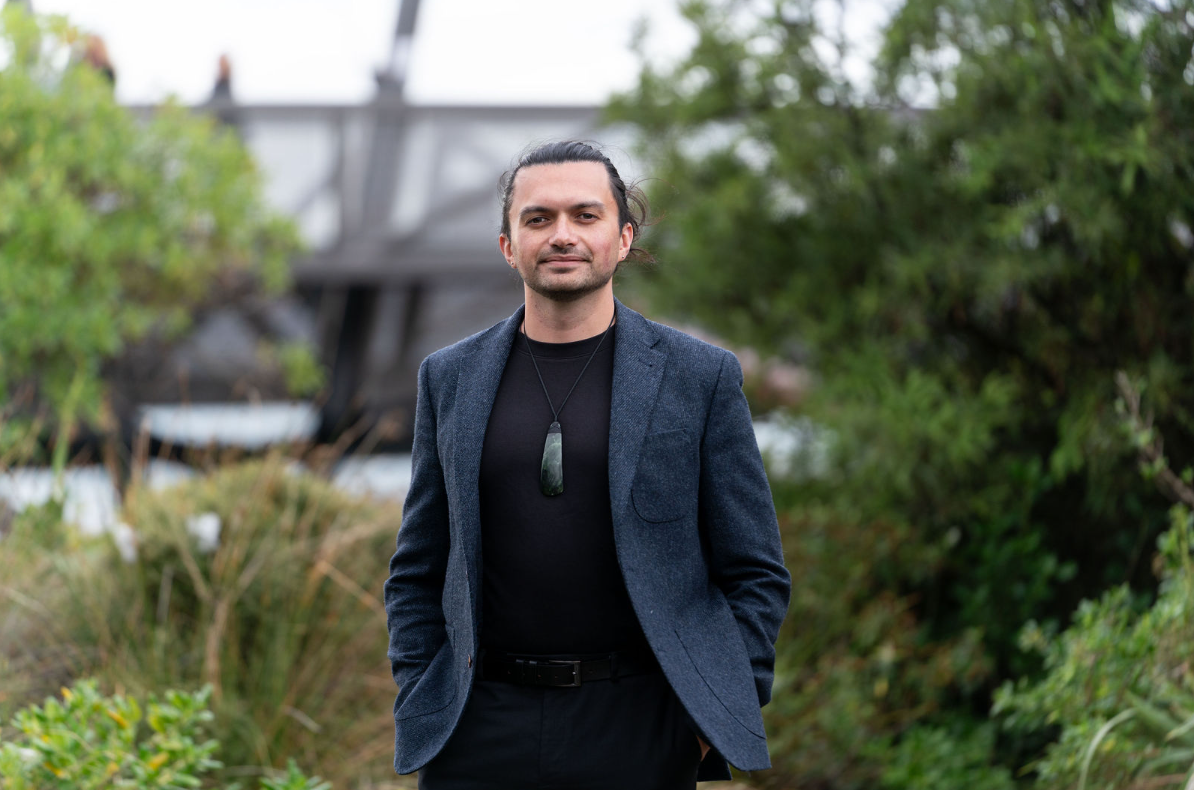
Kia ora Kaeden, you work at both the grassroots level and internationally on indigenous rights, health, and climate change. What experiences, professional and/or personal, have shaped your path toward the Wellbeing Economy movement?
My path has been shaped by working across very different spaces; from grassroots community organising to national policy within government, and internationally through climate and Indigenous advocacy. Working on the frontlines of climate change and Indigenous rights has grounded my understanding of the real-world impacts of our current systems, while my policy work has shown me how those systems are designed, established, and amended.
At the international level, engaging in global climate spaces has highlighted both the scale of the challenge and the importance of collective action. Across all of this, I’ve seen how interconnected these issues are and how necessary it is to move beyond purely economic measures of success. That has naturally led me toward the Wellbeing Economy movement, which aligns with a more holistic, people- and planet-centred way of thinking about progress.
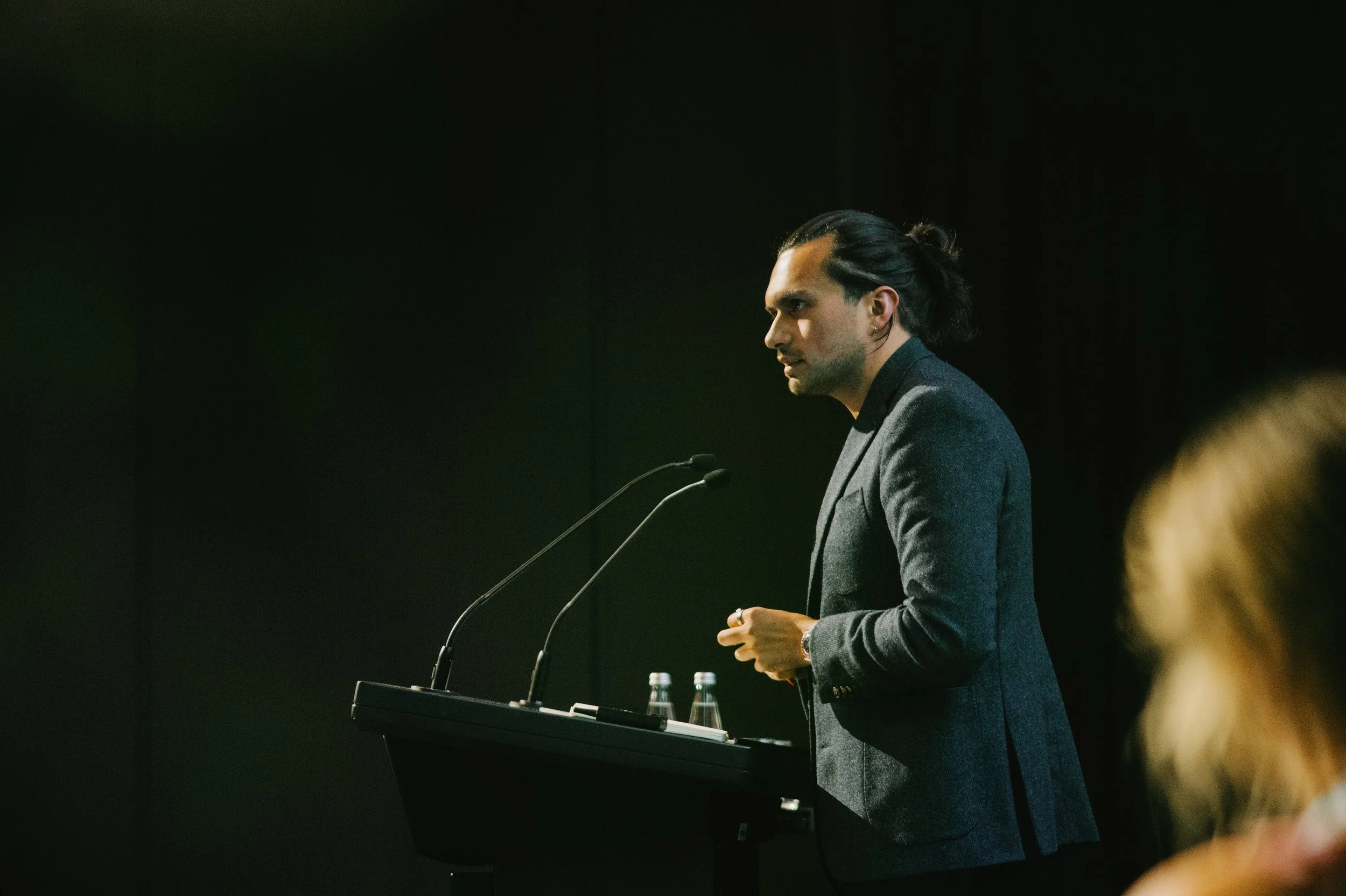
Who/what gives you inspiration?
I’m constantly inspired by the people I am currently or have formerly been privileged to work alongside in my communities, across movements, and in my day-to-day life. Often this work isn't always labelled or recognised as "wellbeing economy"-related work; it's the existing kindness, empathy and care people inherently have and share with one another. Most people and communities who do this work do it because it is genuine to their core beliefs.
How do you explain a Wellbeing Economy?
At its core, a Wellbeing Economy is about what we choose to value. Rather than prioritising economic growth, it centres the wellbeing of people, communities, and the natural world. It recognises that the economy isn’t just financial, it’s a system dependent on people and the environment, shaping how we live, relate to one another, and interact with the environment. If we want a future that is fair and sustainable, we need to design that system in a way that puts people and planet at the centre.
What have you been reading lately?
The Financial Colonisation of Aotearoa by Catherine Comyn has been a fascinating read! It's been illuminating to understand how central financial systems have been to the process of colonisation, and how those dynamics continue to shape our institutions today.
How do you like to relax?
My go-to non-kaupapa activities are basketball and kapa haka.
