
March 2026 Pānui
It’s been a big start to the year for the wellbeing economy movement in Aotearoa.
Over the past couple of months we’ve seen real momentum building: from national media coverage of our polling, to a packed event with Gary Stevenson, to powerful conversations about inequality and the future of our economy.
More and more people are asking what kind of economy we actually want, and we’ve been grateful to help bring people together around that conversation.
Read on for a few highlights from the start of the year.
And as always, thanks for being part of this growing movement working to redesign our economy so it serves people and planet.
Ngā mihi,
Gareth and the WEAll Aotearoa team
PS. We can only do this work with the support of our community. If you like what we do, please consider donating and/or sharing our work. Together we can continue to grow this movement.
Gary Stevenson in Aotearoa
Last week we were thrilled to partner on inequality campaigner Gary Stevenson’s public talk in Tāmaki Makaurau.
Gary is a former global finance trader turned inequality educator whose work has helped millions understand how our economic system concentrates wealth for the billionaire class.
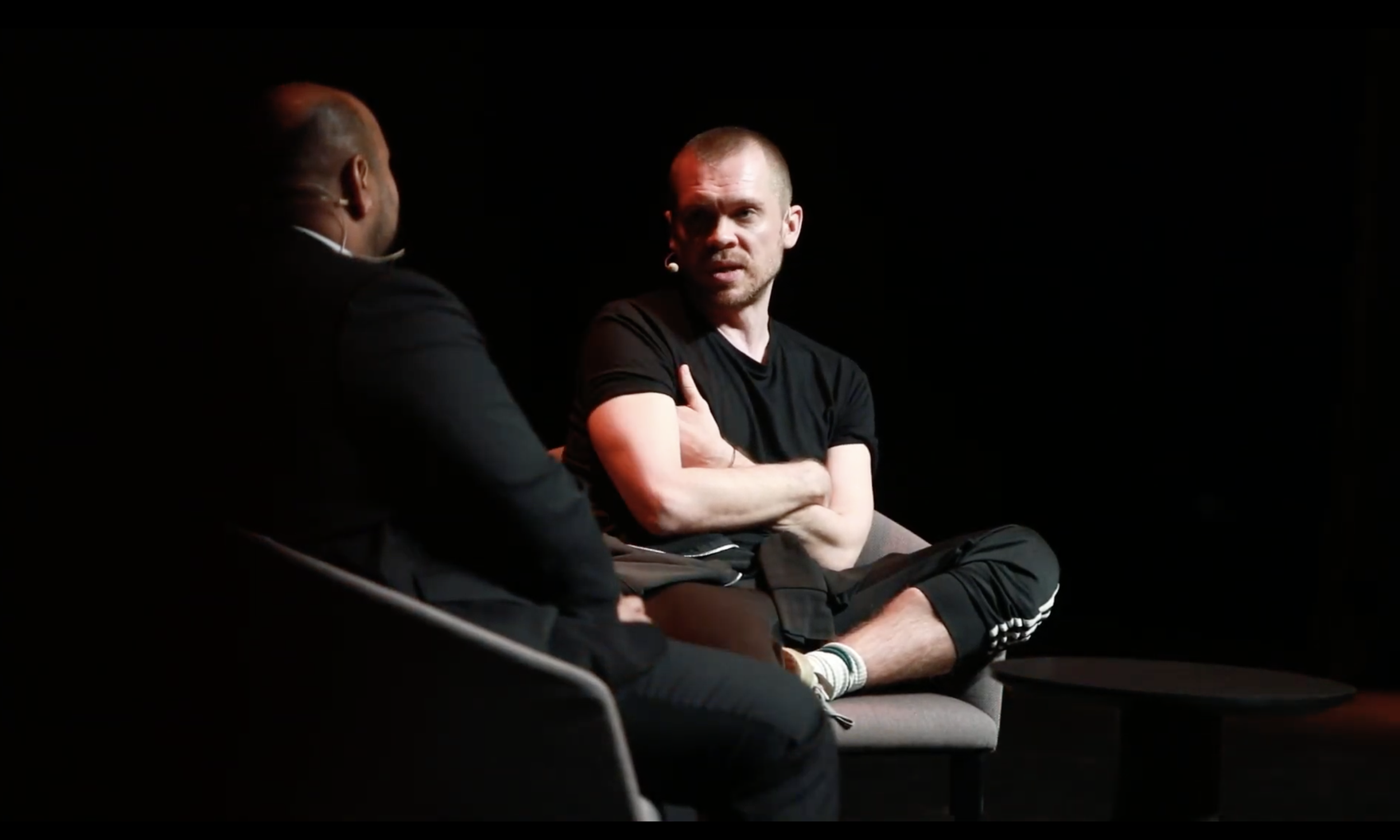
His talk sparked a powerful conversation about who our economy serves and who is being left behind.
As Gary puts it: “The reason your living standards are falling. The reason your kids can't buy a house. Is because of growing inequality.”
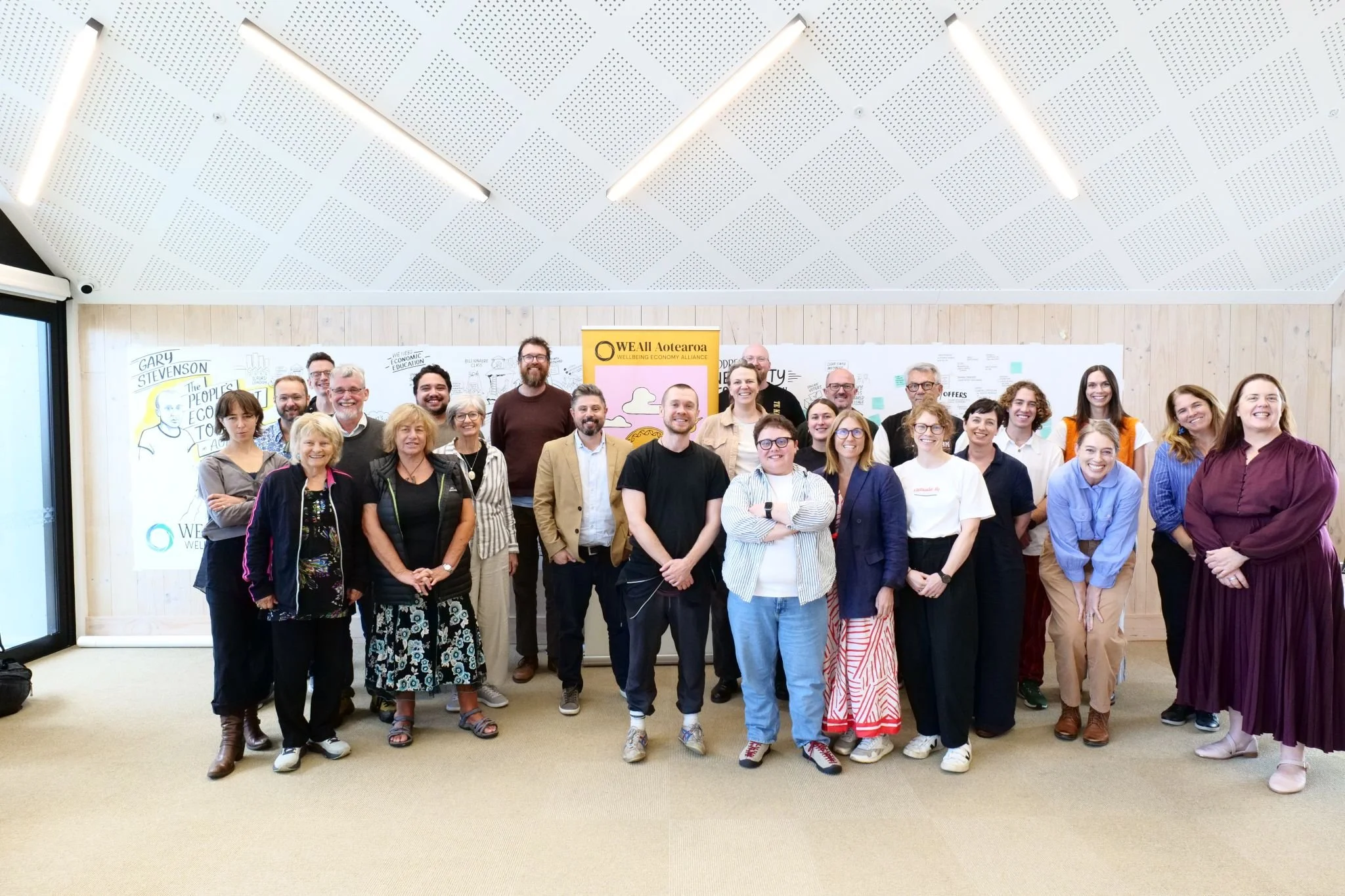
Alongside the public event, we also convened an inequality hui, bringing together around 30 campaigners, researchers and community workers. Thank you to Auckland City Mission – Te Tāpui Atawhai for hosting us.
The conversation explored the drivers of inequality in Aotearoa and the opportunities for building a stronger, more united movement for change.
Watch videos from Gary’s visit and read our key insights here.
Growing public conversation
One of the most encouraging developments this year was the release of our new polling exploring what New Zealanders think about the economy and the big challenges we face.
The results showed something many of us instinctively feel: despite the way politics is often framed, people across party lines share a surprising amount of common ground.
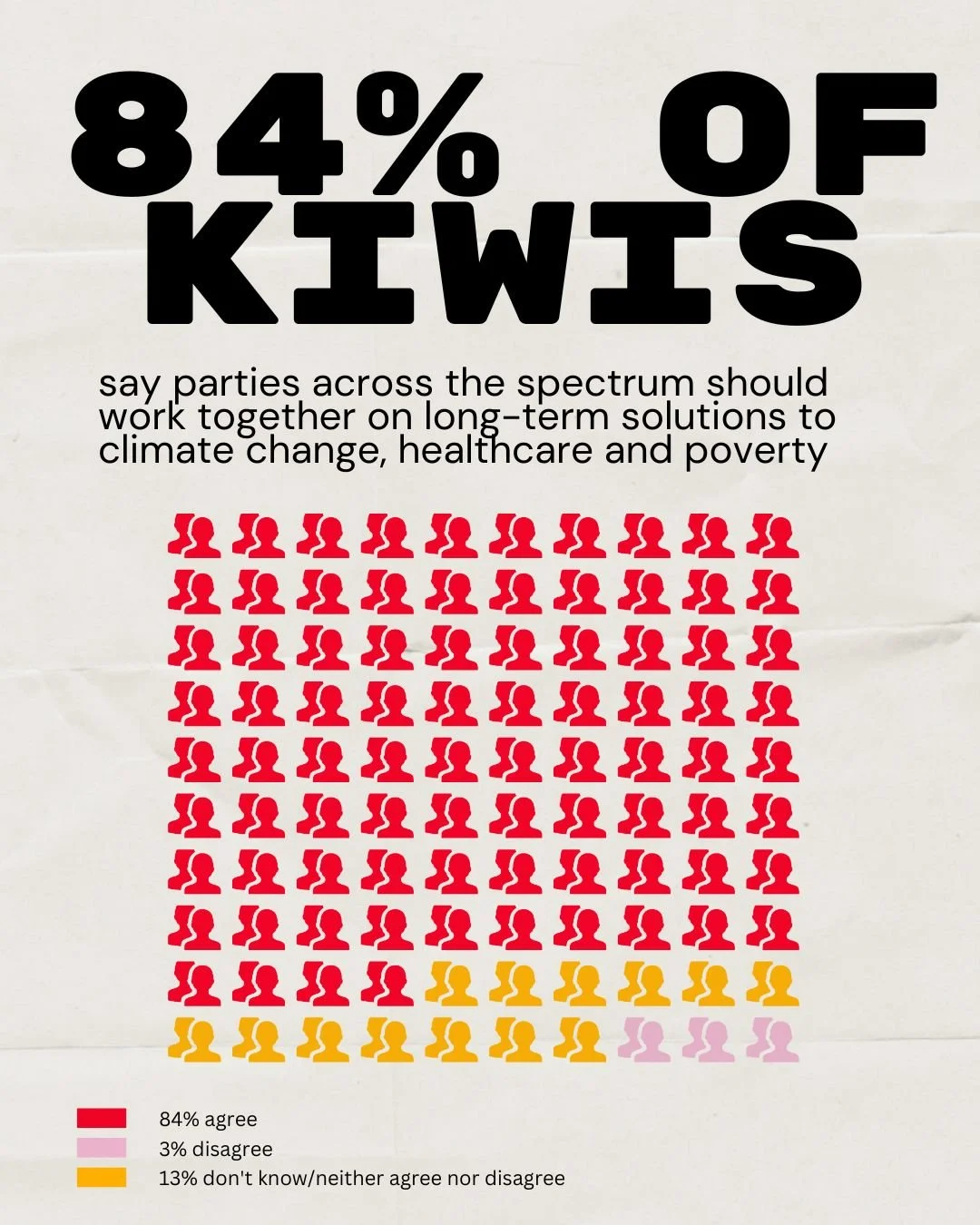
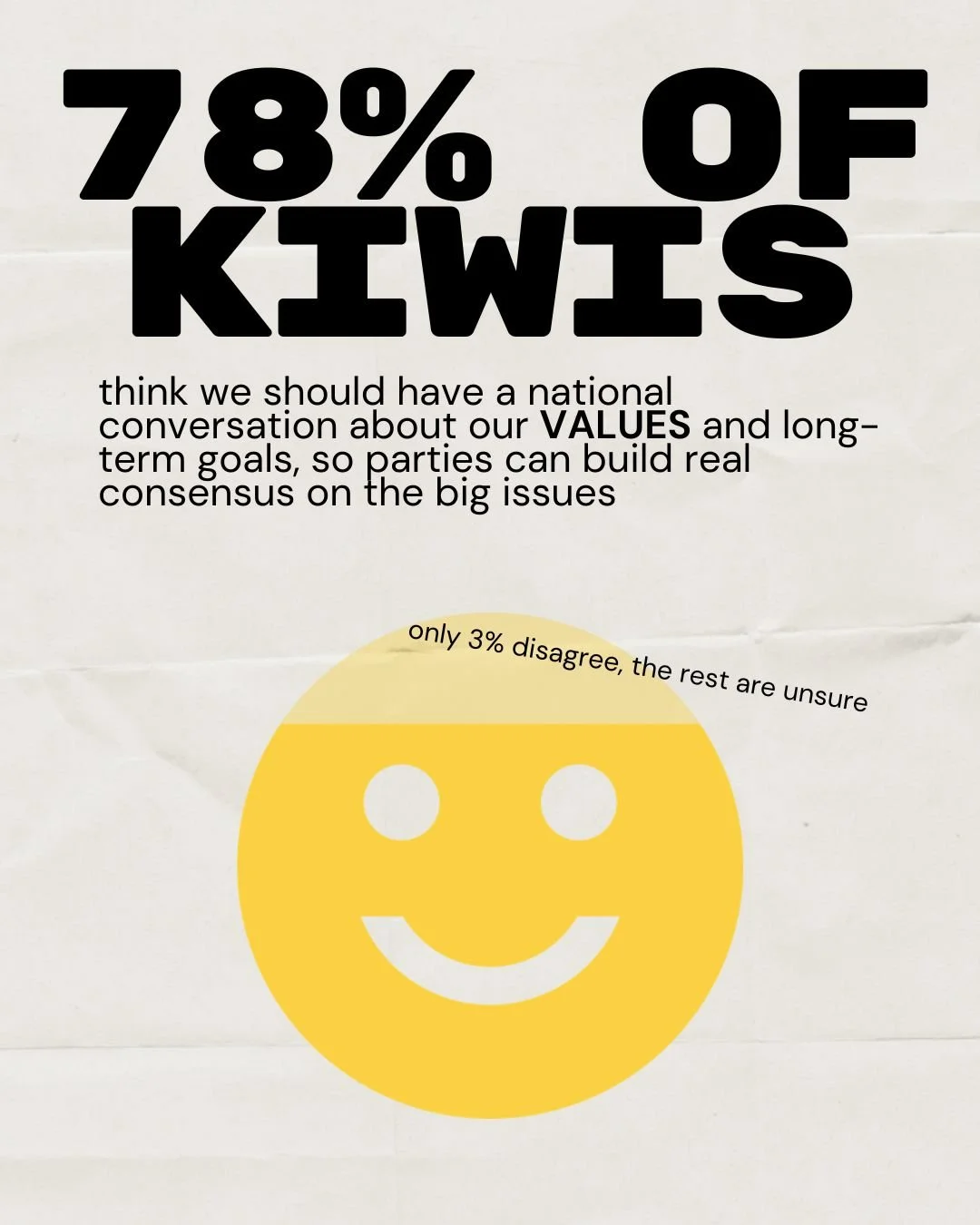
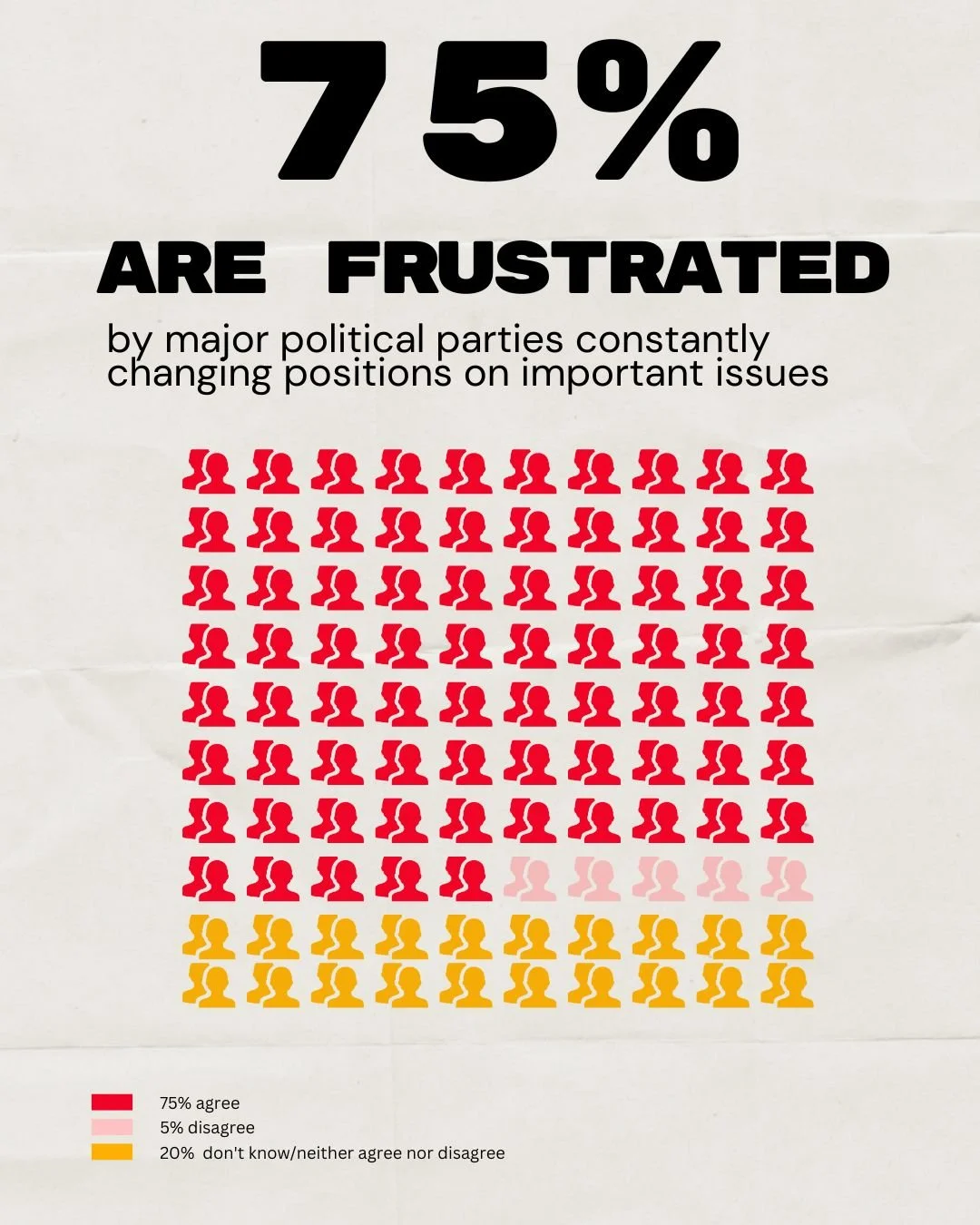
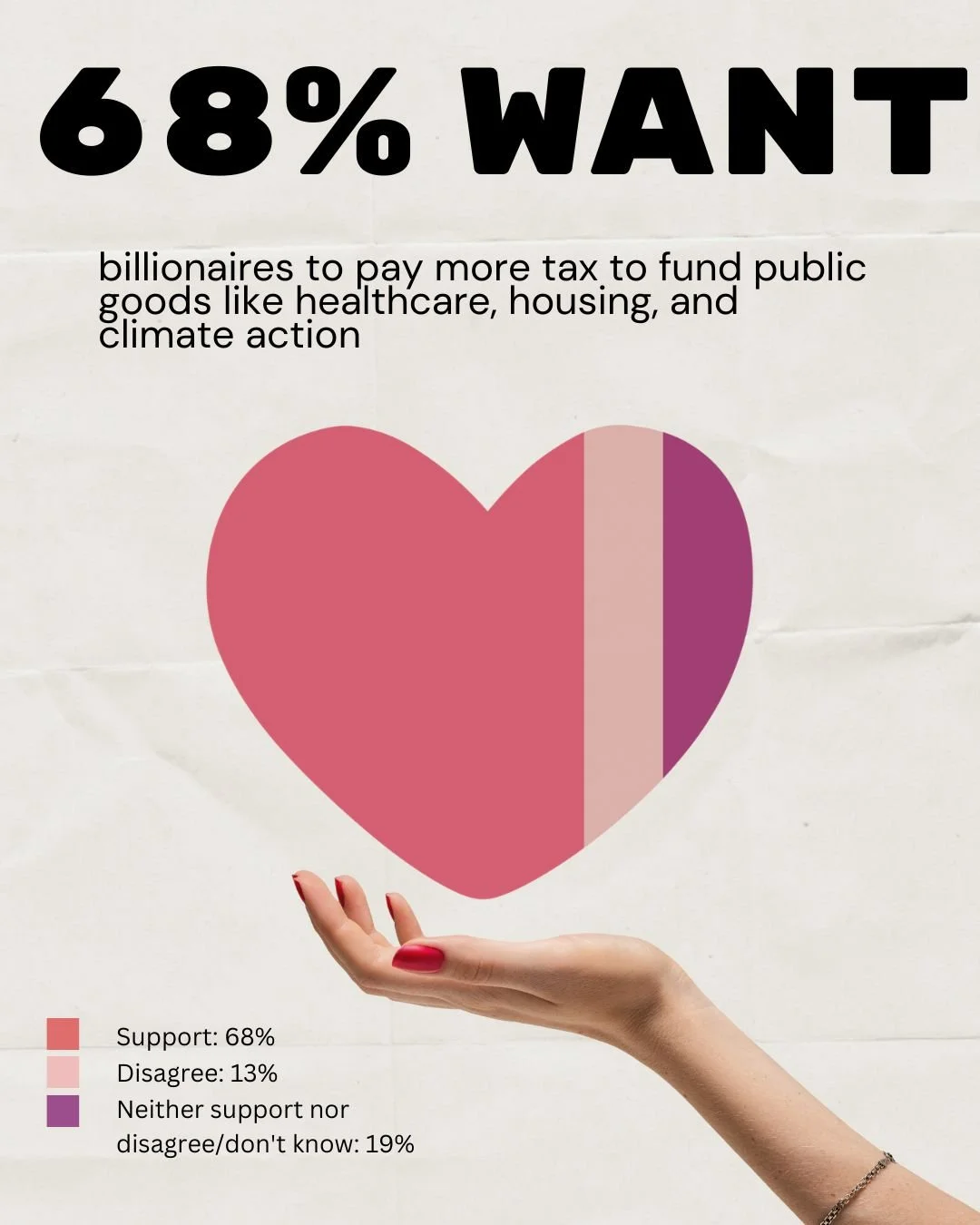
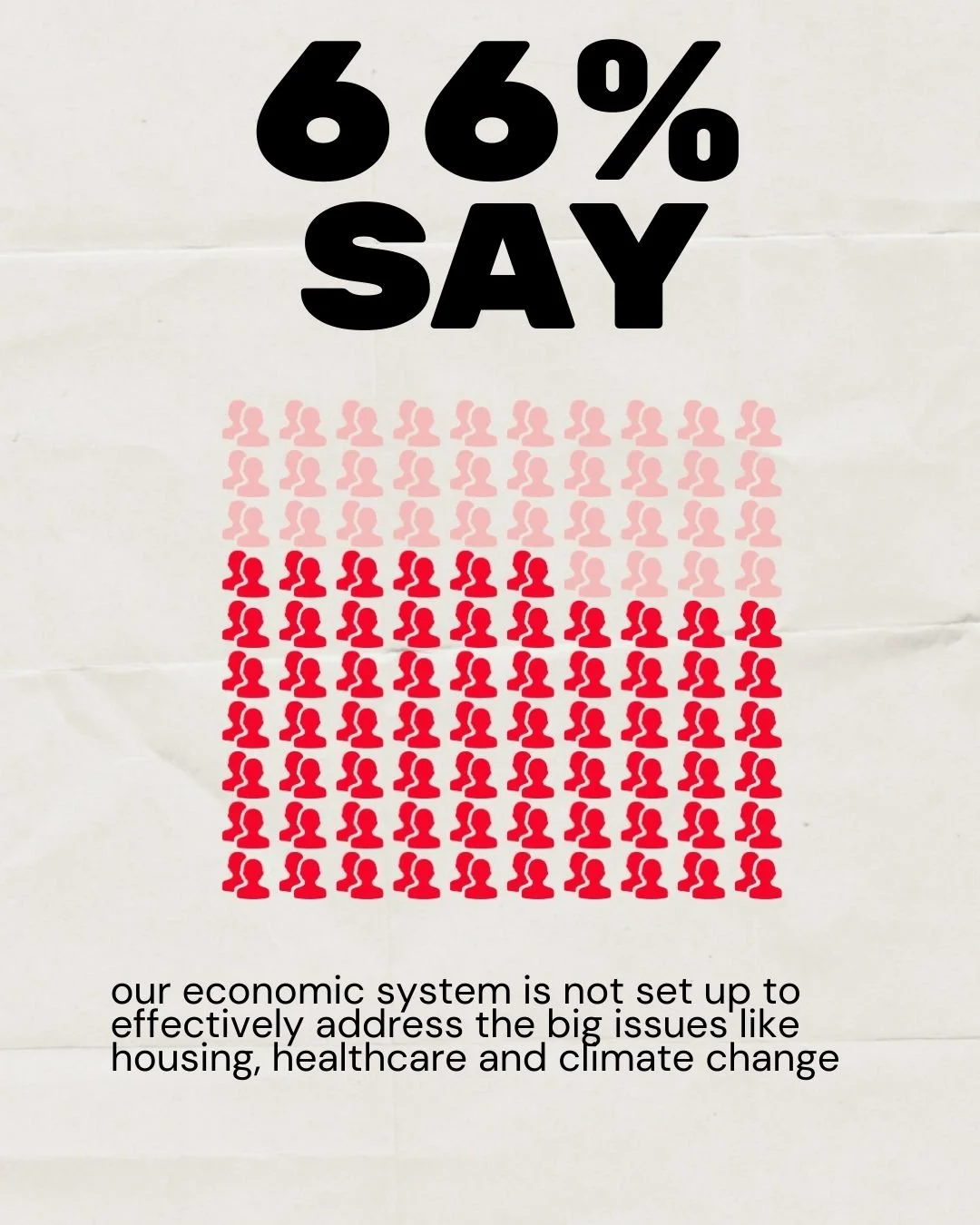
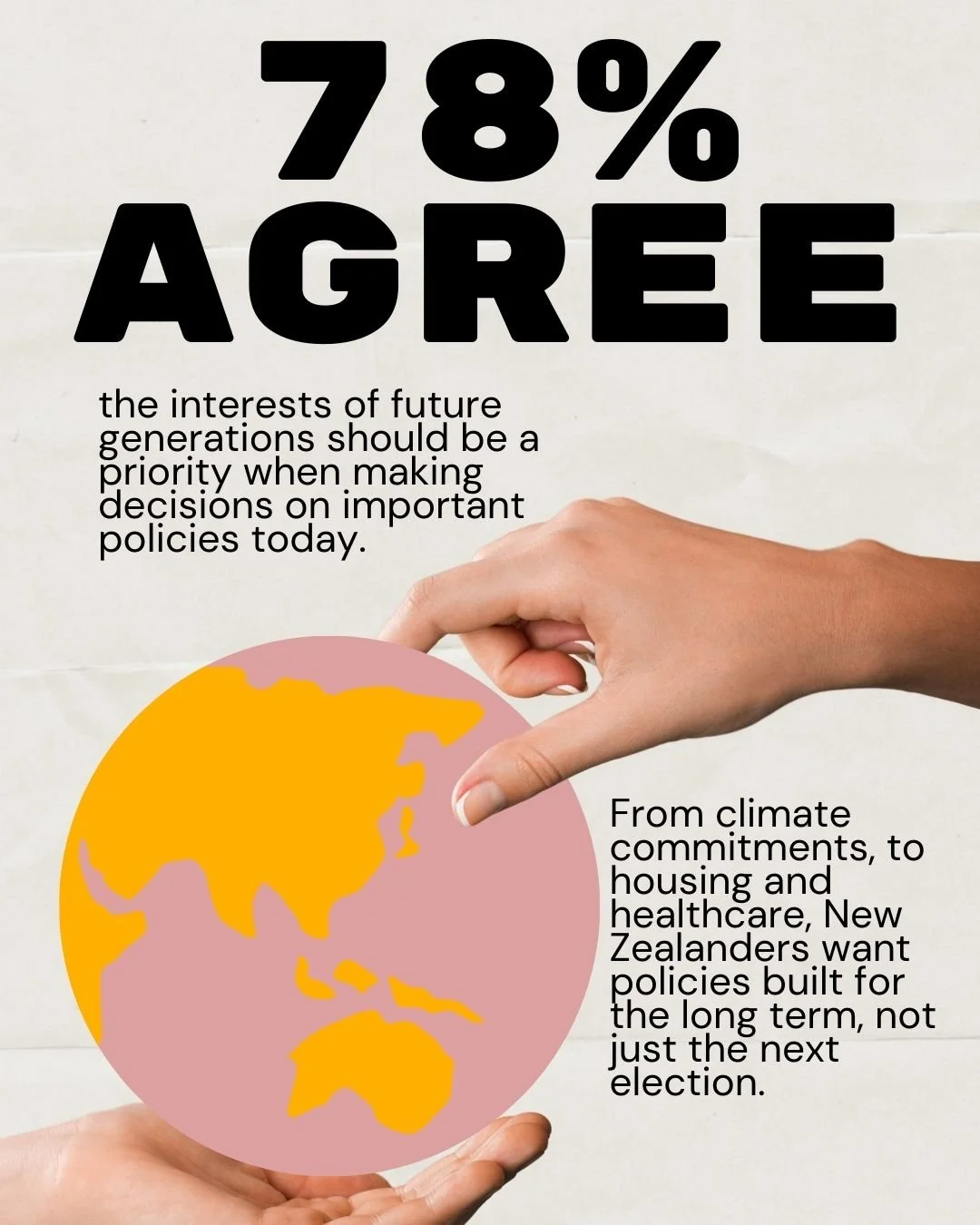
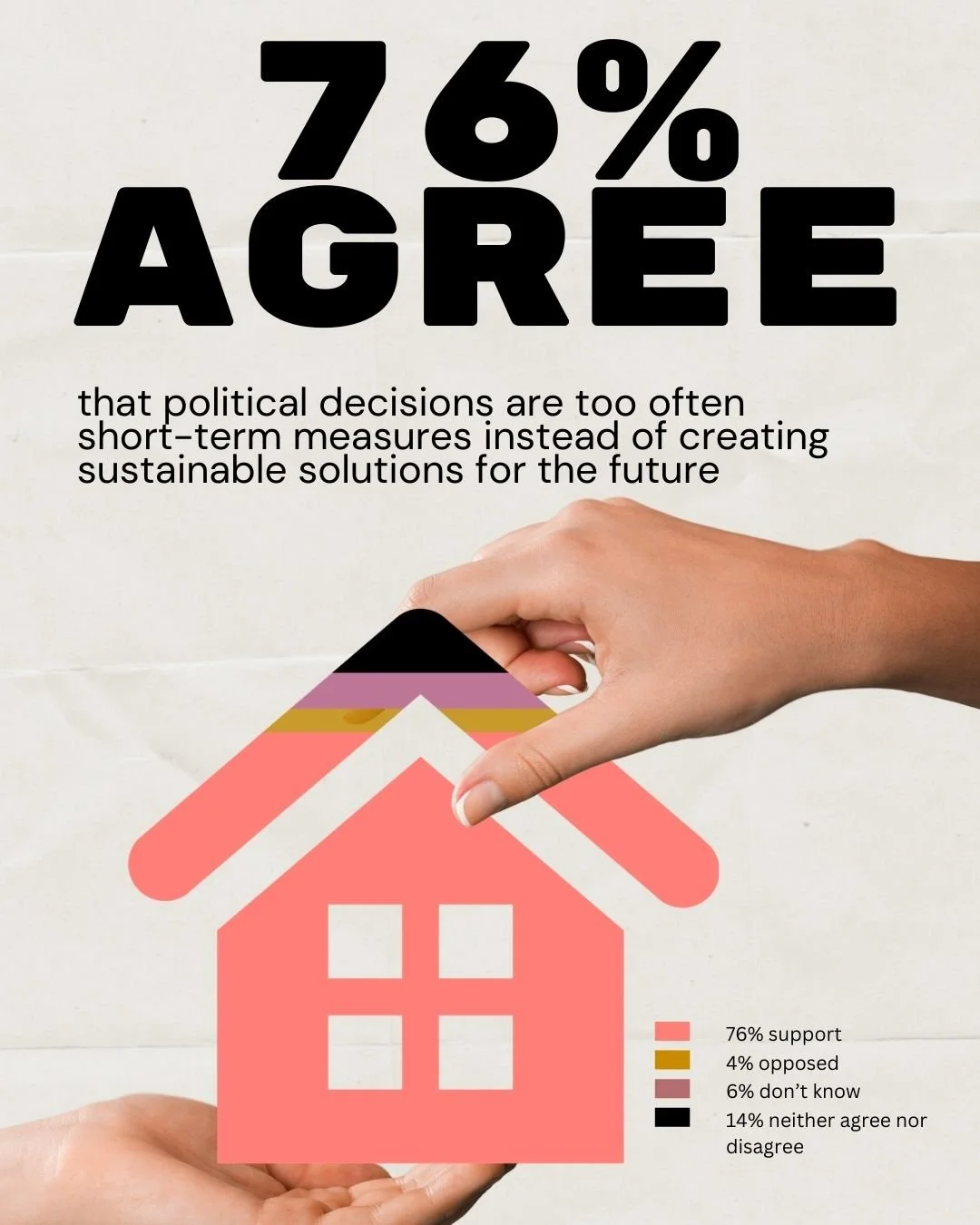
The polling found:
84% of New Zealanders think political parties should work together on long-term solutions to major challenges like climate change, healthcare and poverty.
78% believe the interests of future generations should be prioritised when making policy decisions.
68% support billionaires paying more tax to fund public goods like healthcare, housing and climate action.
66% believe the current economic system isn’t set up to address major challenges like housing, healthcare and climate change.
The polling generated strong national media interest and helped open up a wider conversation about the choices we face as a country.
At a time when politics often focuses on division, it was a reminder that many people want similar things: a fair economy, secure lives, and a future their children can thrive in.
We were delighted with the coverage the polling received. You can watch and read Gareth on RNZ / Three News / Bernard Hickey and more!
New paper: Rethinking the economics curriculum
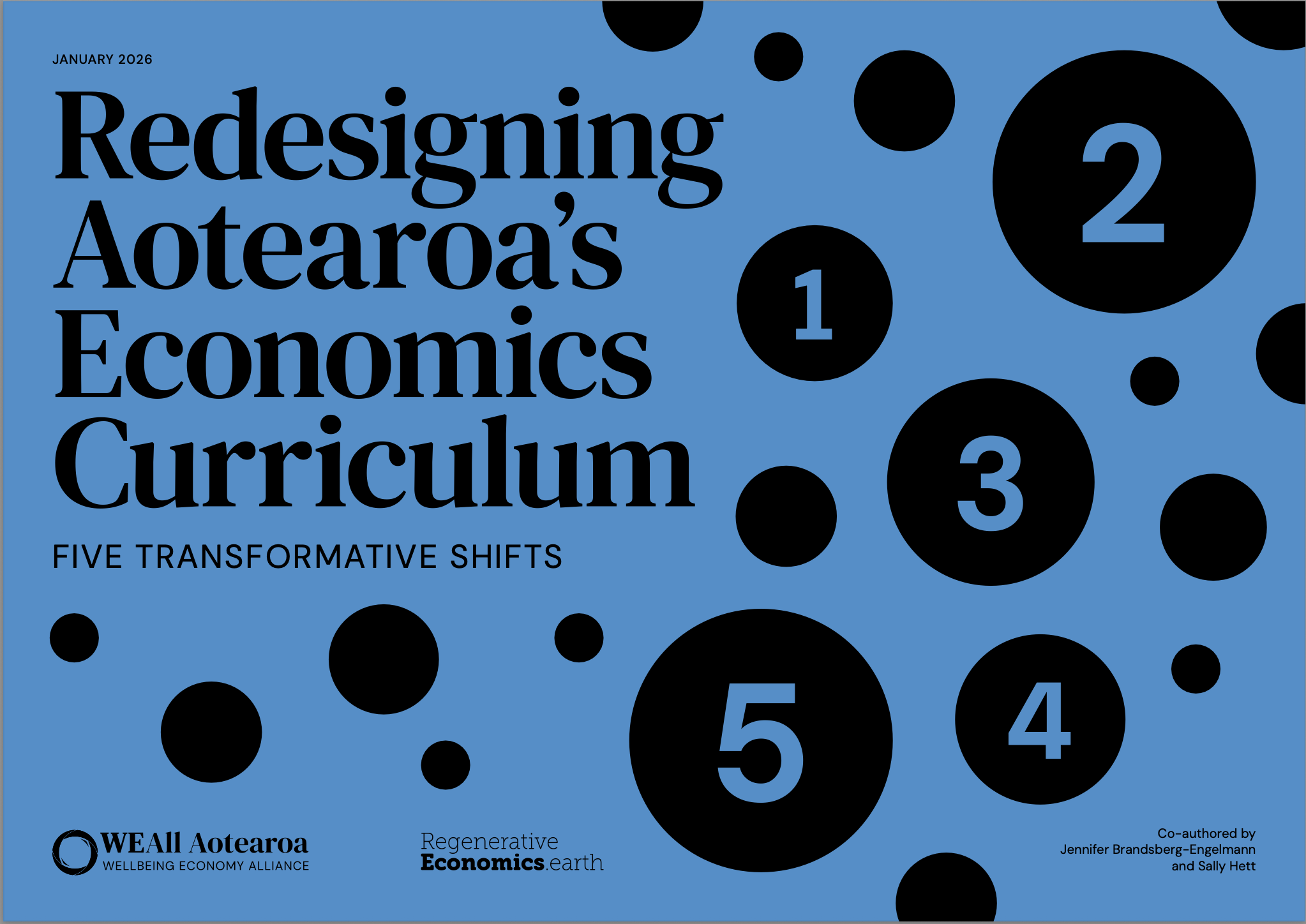
Another highlight from the start of the year was the release of our new paper on rethinking economics education. Co-authored by Jennifer Brandsberg-Engelmann of Regenerative Economics (international) and Sally Hett of WEAll Aotearoa, the report was timed to support the Ministry of Education in its review of the economics curriculum.
The report, Redesigning Aotearoa’s Economics Curriculum: Five transformative shifts, outlines the bold reforms needed to equip students for modern economic challenges and bring New Zealand’s economics curriculum into the 21st century.
A wellbeing economy perspective encourages students to explore questions like:
What is the economy actually for?
How do we measure real progress and wellbeing?
How can economic systems be designed to serve people, communities and nature?
We’re incredibly grateful to Jennifer Brandsberg-Engelmann for her strong leadership, deep insights, and the enormous amount of work behind this report.
